
Introduction: Assessing the Modern Data Management Dilemma
Imagine running a business where your data management and storage solutions are constantly being put to the test—frequent outages, slow processing, and ever-escalating costs. These are everyday challenges that many companies encounter in the digital age. Enter the Modular Data Center, a potential game changer. But why do failures always occur during traditional data management methods? The answer lies in outdated technology and inefficiencies that often plague such systems.
Analyzing Traditional Solutions: Common Flaws Exposed
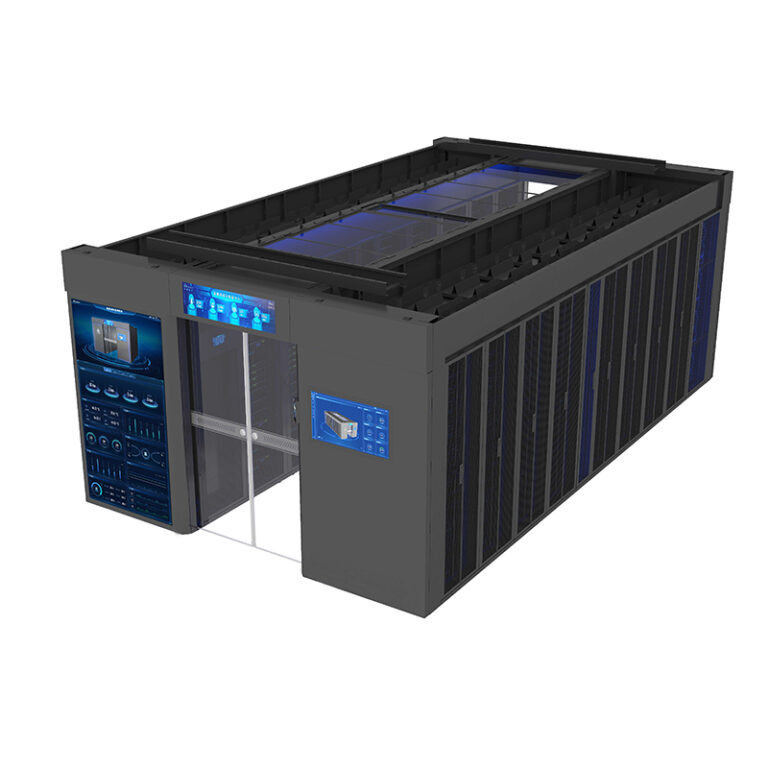
Traditional data centers are often characterized by their inflexible architecture and substantial energy consumption. They require a significant footprint, regular maintenance, and long lead times for upgrades or scaling. As organizations strive to keep pace with operational demands, these traditional solutions frequently fall short, resulting in higher costs and downtime. Companies face challenges like limited cooling options, which can lead to overheating and operational failures—raising questions about efficiency and resource allocation.
Emerging Principles of New Technology: The Role of Modular Design
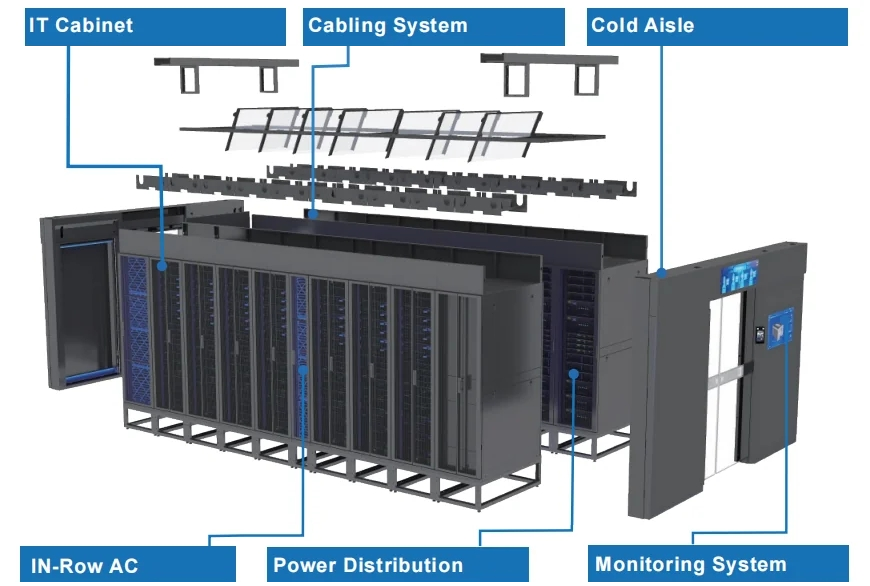
Modular Data Centers introduce innovative concepts by focusing on scalability and adaptability. This approach typically involves pre-fabricated units that can be deployed quickly and efficiently. These units can be optimized for particular uses, such as cooling systems, servers, or power management. Edge computing nodes often come into play here, allowing data processing to take place closer to where it’s generated, cutting latency and improving response times. Look, it’s simpler than you think—modular solutions streamline operations while ensuring a robust infrastructure.
Quantified User Benefits: Why Make the Switch?
Organizations that adopt Modular Data Center solutions often report significant improvements in efficiency and cost reduction. A key benefit includes lower energy consumption—up to 30% less than traditional data centers—thanks to optimized cooling and power management systems. Furthermore, rapid deployment allows businesses to scale their operations without excessive lead times or investment risk. These units can also be configured for energy efficiency, offering impressive return on investment within a short period. Thus, companies are not just investing in a product; they’re securing their future.
Conclusion: Key Metrics to Consider When Choosing Solutions
As organizations grapple with the decision to transition to Modular Data Center systems, it’s vital to evaluate a few critical metrics. Always verify these three metrics when choosing solutions: ① Energy efficiency, ② Scalability, and ③ Reliability. This framework ensures that businesses make informed decisions that align with their long-term objectives while enhancing their infrastructure’s sustainability and performance.
The Cold Corridor Data Center: An Innovative Approach
The cold corridor data center design innovatively separates cold aisles from warm aisles, allowing for optimized cooling performance. This method prevents hot air from disrupting the cooling airflow, creating a controlled environment for equipment. It’s a remarkable strategy that often results in lowered energy costs and more effective cooling. Many organizations find this approach particularly appealing when scaling their operations, as it can easily adapt to varying load demands with minimal fuss.
Further Insights on Cold Corridor Data Centers
The cold corridor data center is not just a trend—it’s becoming essential for maintaining optimal performance in today’s digital landscape. By ensuring that the cooling systems can efficiently manage the heat generated by equipment, businesses can minimize downtime and extend the life of their hardware. Furthermore, as companies expand their data needs, this design offers the flexibility for quick adjustments to their infrastructure. Investing in this technology can change the course of operational efficiency, making it a prudent choice.
Summary & Recommendation
In summary, the transition to a Modular Data Center offers numerous advantages over traditional models, particularly through enhanced efficiency and the innovative cold corridor design. Companies that embrace such advancements often find themselves better positioned for future challenges. If you’re considering a modular solution, look no further than Coolnet. As a manufacturer with significant supply advantages, Coolnet is poised to help businesses optimize their data management effectively.