Introduction: Cooler Math, Faster Queues
Heat is the silent bottleneck in fast EV charging—no joke. Drop by a city car park at lunch hour and watch the line move when cabinets start to throttle. A liquid cooled ultra-fast charging setup changes that equation. The second you place a liquid cooling module inside a high-power cabinet, the thermal load stops bullying your electronics and starts behaving. In typical peak hours, operators see up to 20–35% derating on air-cooled gear once inlet air climbs, and queue times stretch (okay la). If the job is keeping power high without cooking the silicon, what’s the most reliable way to do it?
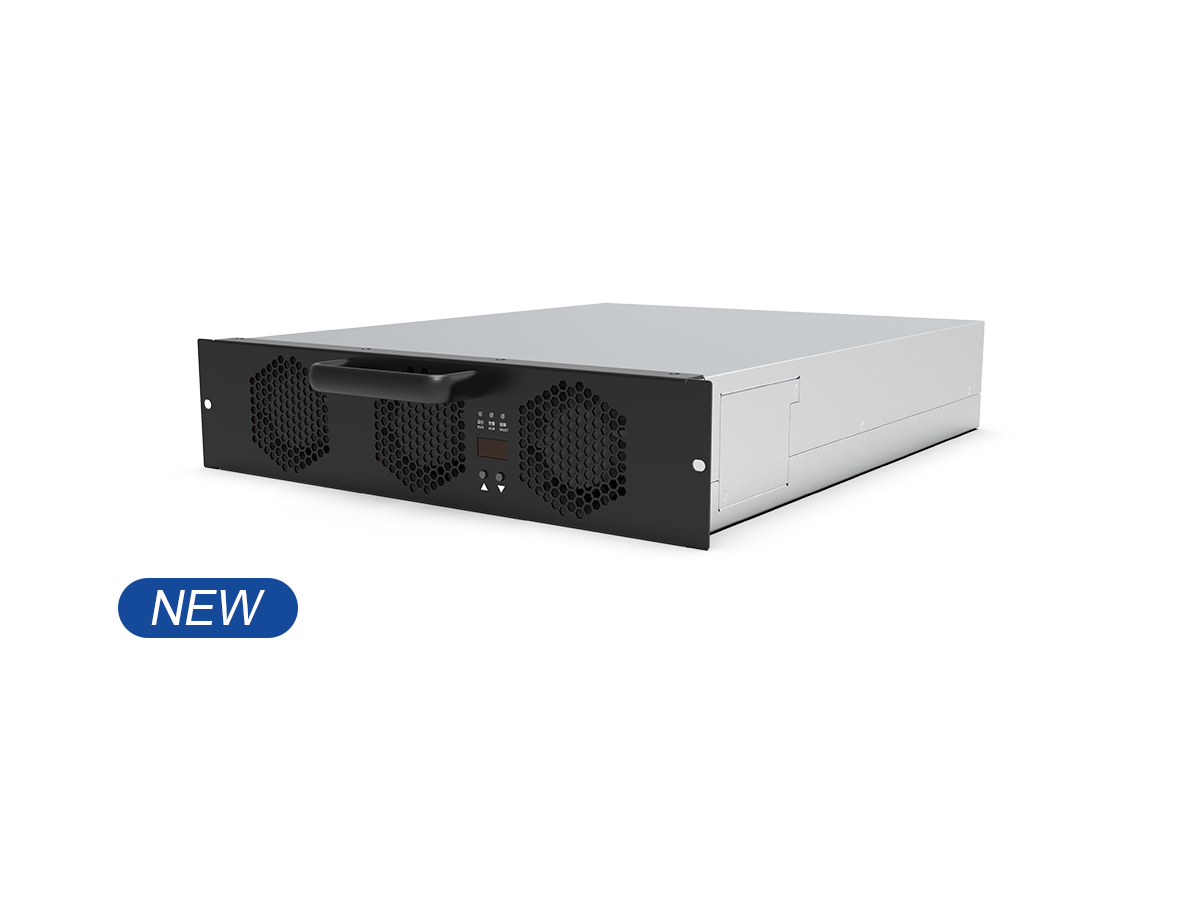
Let’s frame the scenario in simple terms. You’ve got dense power converters stacked over busbars and EMI filters, with inlet temps rising as canopies trap heat. Air moves, sure, but the heat density doesn’t care. With liquid, the cold plate touches the hotspots—IGBTs or SiC MOSFETs—so the thermal path gets short and steady. Look, it’s simpler than you think: less fan noise, more stable Delta-T, fewer nasty surprises in the afternoon. Good, but that’s just the surface. Let’s unpack the deeper issues before we compare paths head-to-head.
Where Air Falls Short: The Quiet Costs You Don’t See
Why do old fixes fall short?
Traditional air cooling scales by adding bigger fans, deeper heat sinks, and wider vents. That invites dust and salt mist, chips away at IP ratings, and pushes acoustic limits in tight streets. Inside the cabinet, thermal gradients form across busbars and the DC link; one corner runs hot, another stays cold. Sensors catch the spike, firmware derates, and the customer waits. You burn efficiency in two places—the silicon and the airflow. Meanwhile, filter swaps pull staff off other work, and fan bearing life becomes a dice roll near the sea. With liquid plates tied to a coolant manifold and a right-sized pump head, heat exits close to the die and lands in a quieter heat exchanger outside the cabinet. That keeps the DC bus happy and the control boards calm.
Hidden cost number two: access. Air-cooled stacks often need front-and-back clearance, forcing wider footprints and longer MTTR during faults. Gaskets wear, doors rattle, and the cabin turns into a blower box—funny how that works, right? Liquid loops flip the geometry. You seal the power stage inside an IP67-like shell, route hoses to the radiator, and keep airflow local to the fins where it’s cheap to move. Thermal runaway margins improve because hotspots never get a head start. Edge computing nodes for billing and load control also sit cooler, so you get fewer nuisance resets. In short, air fights the cabinet; liquid shapes the heat path.
From Principle to Street: What’s Next for High-Power Stalls
What’s Next
The forward story runs on three principles. First, direct-to-source extraction cuts the thermal path from die to ambient—microchannel cold plates over SiC MOSFETs or rectifiers make the biggest win per cubic centimeter. Second, fluid control is now smart: variable-speed pumps talk over CAN, trimming flow by actual load, not guesswork. Third, modularity rules. A 40 kW block scales cleanly; put several in parallel and tune the loop once. The result: high utilization in tight sites and calmer acoustics in residential zones—nobody misses the noise, right? When you spec a 1000v EV Dc charger module, you’re weighing heat exchanger size, coolant chemistry, and the manifold layout against cabinet depth and service access. Get the loop right and you protect the backplane, EMI filter, and the tiny things that crash uptime: cracked connectors and tired fans.
So what should you measure before you commit? Use three yardsticks. One: thermal derating curve at worst-case Delta-T—hold nameplate power past the hot hours, not just in the lab. Two: serviceability, including MTTR with dry-break quick disconnects and hose reach; downtime is an OPEX tax. Three: grid-to-plug efficiency from 25–45°C, net of pump and fan overhead, because the bill lands with you. Do a simple A/B: air-only vs liquid loop in the same footprint, same load profile, same inlet. The comparative picture is clear—liquid keeps power density honest while trimming noise and surprise callouts. Keep the perspective practical, keep the cabinets quiet, and keep the queues moving. For more domain references and component-level insights, see winline technology.