Throughput, Not Hype: What Actually Governs Output
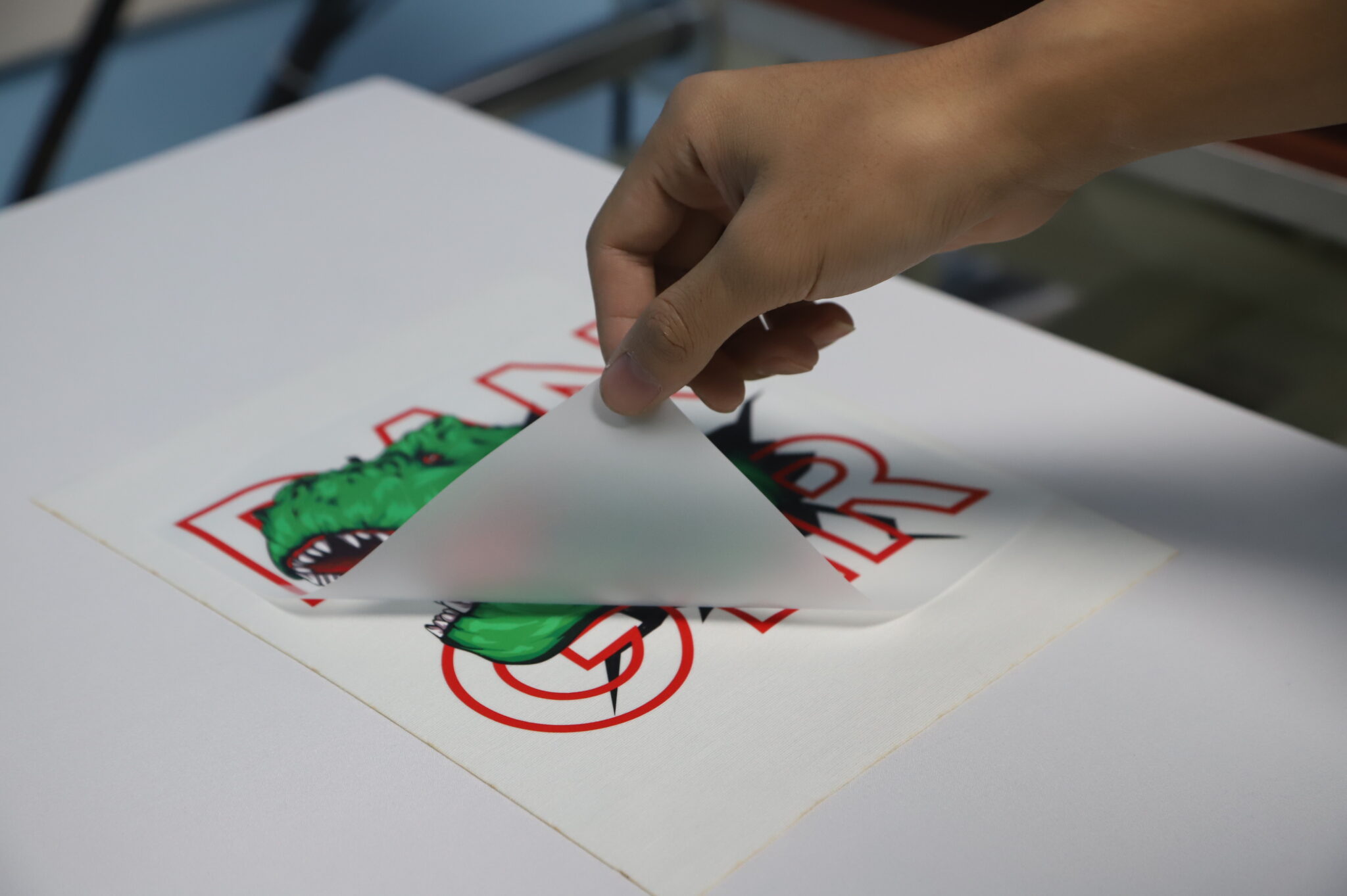
Throughput is the number of transfers that clear peel and wash tests per hour—nothing else. On a humid Friday rush in my Chicago shop beside a dtf printer row, 500 hoodies stacked up; 12% failed peel in pre-press checks; what broke in the chain? After 17 years vetting suppliers for wholesale buyers, I judge dtf printer manufacturers by how their machines behave under messy, real jobs—not lab settings. We track RIP queues, white ink circulation duty cycles, negative pressure stability, oven drift, powder class (80–120 µm TPU), and film flatness on 75 µm PET. If one link sags, the line crawls (or worse, you burn film). I don’t chase headline DPI or head counts; I watch net yield at the rack.
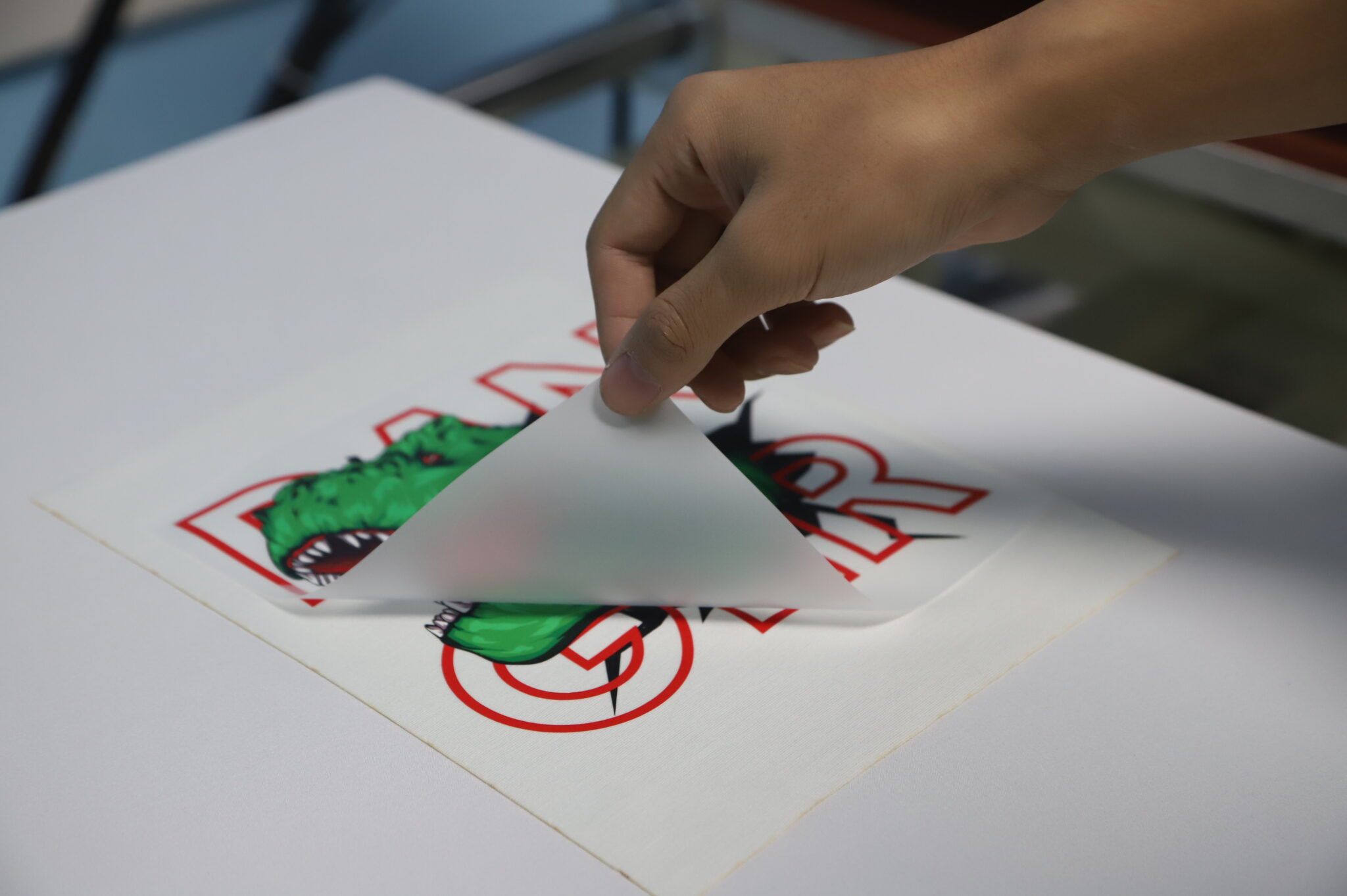
Here’s where hidden failures creep in. A vendor once shipped us a roll-to-roll unit with solid head tech (Epson i3200-A1) but a weak recirculation pump and no inline degassing. In July 2022, that combo cost us 90 minutes of downtime per 8-hour shift from micro-bubbles and intermittent nozzle drop-outs—despite daily nozzle checks and fresh cap tops. Swap to a maker with active degassing, smarter white recirc, and a zoned vacuum platen, and our reject rate fell from 6% to 1.4% over a 30-meter A3 job. The spec sheet never showed it. The ICC profiles did, though: their profiles were tuned to 75 µm cold-peel film and our ink set, so density landed right without oversaturating white. That’s the layer most buyers miss: profiles, pumps, and pressure control beat “faster carriage” every single day.
Comparative Insight: Signals That Separate Makers (and Save You Downtime)
What’s Next
Let’s get plain. Measure this, not that—and do it across at least three dtf printer manufacturers. I line up the same test reel: 100 A3 transfers on 75 µm PET, TPU powder 80–120 µm, oven target 125–135°C, RH 50–55%, same RIP job ticket. Then I clock true cycle time from first print to cool peel and log rejects with reasons (banding, powder scatter, undercure). The winners aren’t always the loudest. They have stable negative pressure, white ink recirc that runs without cooking the pump, a thoughtful vacuum platen, and RIP profiles that match the ink/film stack. They also ship spares fast. In 2019, a Yiwu vendor beat a pricier brand on tech—but lost us two shifts when dampers and a cap top assembly sat at customs for five days. Lesson—parts SLA matters.
Forward-looking features save you later. I favor auto head maintenance that purges by temperature and idle time, not a dumb timer; a curing oven with dual IR zones to hold ±3°C (drift kills adhesion); tension feedback on roll-to-roll to stop edge curl; and job analytics that show ml of white per square meter so you can predict costs. Small thing—film guides that don’t scuff the coating—paid for themselves in a week. And don’t ignore software cadence: if profiles and firmware updates land quarterly, your line stays consistent when inks or PET coatings change mid-year. Final pass, three metrics to keep you honest: 1) Verified net throughput on a standard job, with reject rate under 2% and total cycle time logged to the minute; 2) Maintenance debt per shift—purge volume in ml, number of recoveries, and time-to-first-good after lunch; 3) Service readiness—spare parts lead time in days, remote response under 30 minutes, and profile/firmware update frequency. Nail those and your crew stops firefighting—and your margin stops bleeding. If you need a neutral yardstick or a sanity check on a quote, I’m around; so is Xinflying.