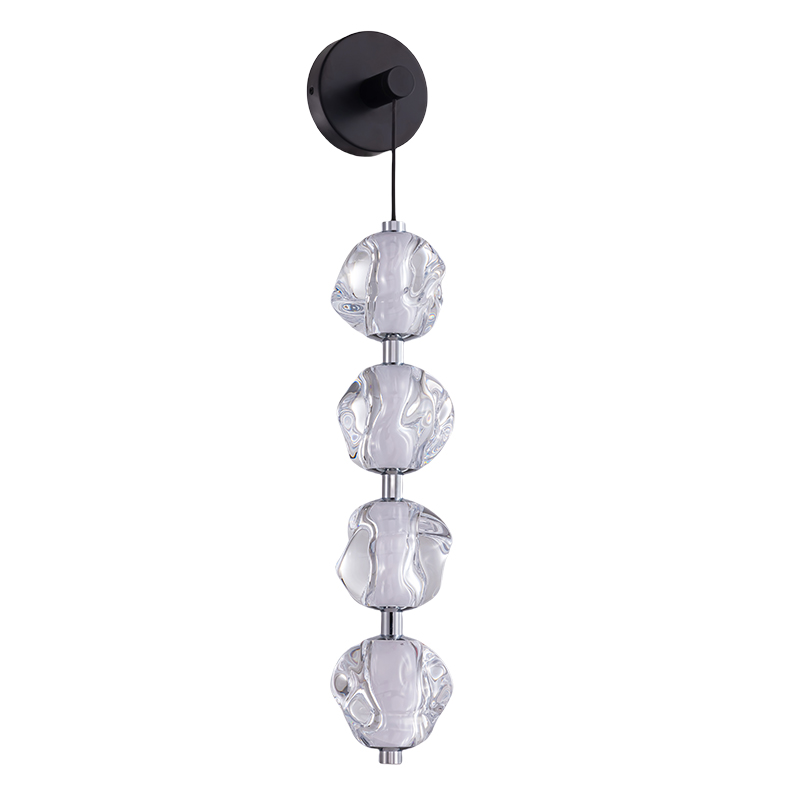
Why Your Next Wall Lamp Spec Needs a Reality Check
Let’s get straight to it: the wrong wall light can derail a room and your budget. Many wall lamp manufacturers promise shine, speed, and savings, but projects still overrun: up to 28% of fixtures get replaced or reworked due to spec errors, low CRI, or driver issues. Picture a boutique lobby, perfect on paper, then half the sconces flicker by week two—how does that happen? You wanted clean chrome, steady light, and a quick install, but the details got lost between catalog, warehouse, and wall. So ask this: are you choosing based on looks, or on the real factors that prevent heat, glare, and early failure (be honest)? Next, we’ll break down what actually causes those headaches—and how to avoid them.
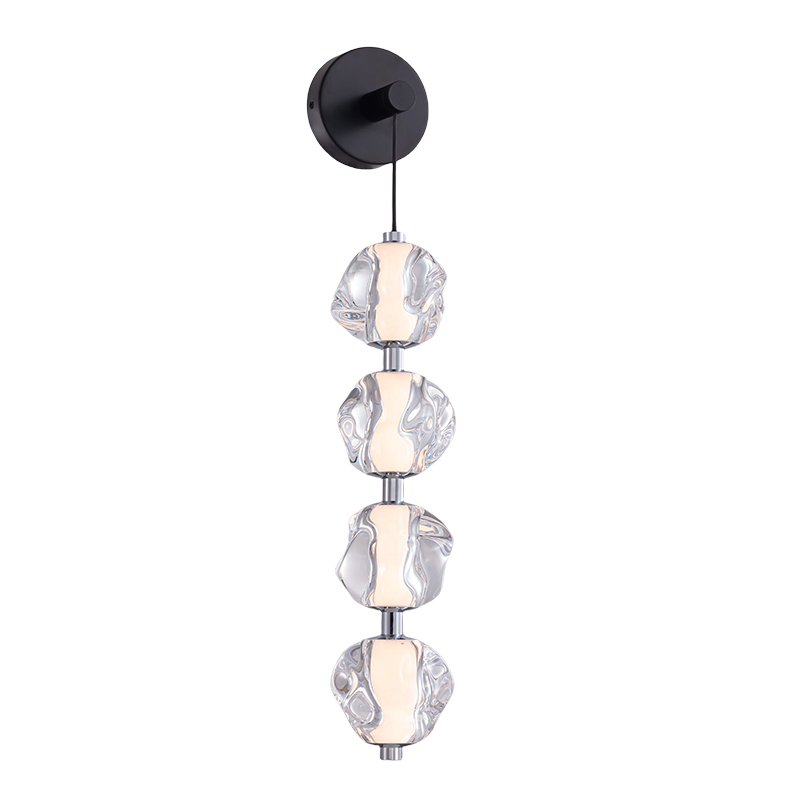
The Hidden Flaws in Traditional Chrome Sourcing
Most teams pick a chrome wall lamp by finish, size, and price. That sounds fine. Yet the common process hides traps: old-school spec sheets gloss over driver type, thermal management, or glare index. Look, it’s simpler than you think. If the constant-current driver isn’t matched to LEDs, you get flicker or early dimming. If the heat sink on a chrome body can’t move heat away, the CRI drops and color shifts. If the power factor is low, circuits trip in clusters. And if the IP rating is vague, hotel corridors collect dust in seams that should have been sealed. These are not “nice-to-haves.” They are the difference between smooth handover and service calls on day 10—funny how that works, right?
Legacy purchasing flows also miss integration. Today’s spaces use dimming protocols, sometimes PWM dimming, and even edge computing nodes for smart triggers. But many chrome lines still ship with basic power converters and fixed-output drivers. You mount them, connect, then learn they buzz at 20% dim. Or they don’t play nice with the scene controller. A better check is to map the driver and optics to the room use. Short corridors? Aim for low glare with 60–80 lumens per watt and stable optics. Galleries? Higher CRI with tighter beam spread. Bathrooms? Watch for corrosion control on the die-cast housing and verify IP44 or better. Match the job first, then the finish second.
Where do legacy specs go wrong?
They skip the details that protect performance: heat paths, driver stability, and real test data. Fix those, and chrome becomes reliable, not risky.
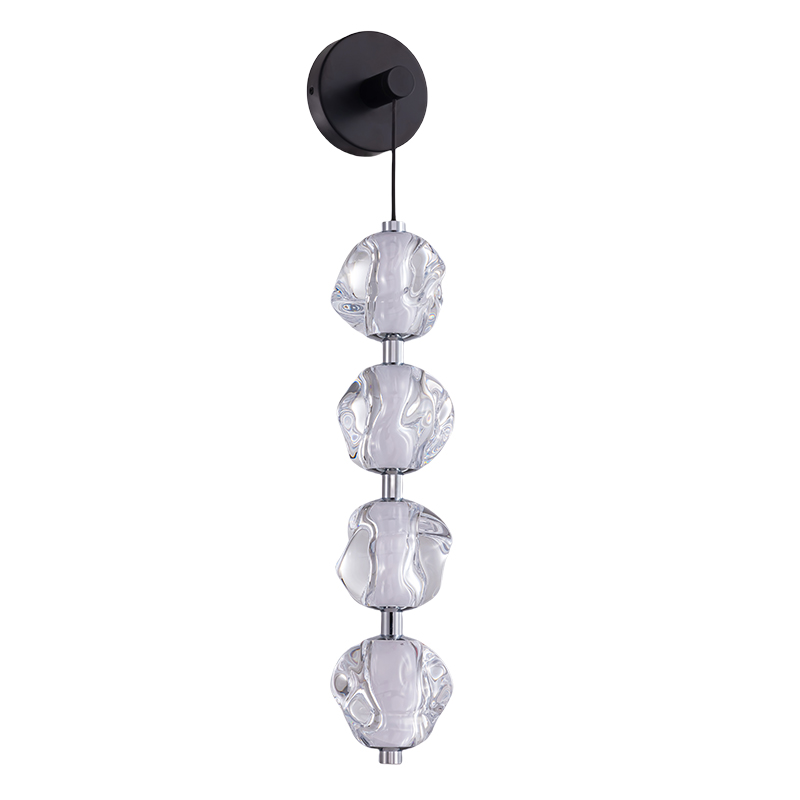
From Chrome to Acrylic: Materials, Drivers, and What’s Next
Let’s shift to a forward-looking lens—materials plus electronics. Chrome still rules in modern interiors, but acrylic introduces a new playbook. An acrylic wall lamp can diffuse light so well that glare drops without bulky shades. Pair that with a high-quality constant-current driver and you avoid PWM flicker at low dim levels. Think about the stack: optics, thermal path, and driver firmware. The best setups combine low-glare lenses with a stable driver curve, keeping power factor high and reducing harmonic noise on the line. In short, fewer callbacks. And yes, that protects your schedule more than a quick discount ever will.
What’s Next
Future-ready builds will merge clean finishes with smarter internals—small, efficient power converters, thermal pads that outperform alloy blocks, and BLE mesh controls that act like tiny edge nodes. Chrome bodies will stay for visual punch, while acrylic diffusers handle comfort and spread. The result? Better light on faces, steadier color, and less load on dimmers, even across long runs. Compared to the old way, you’re not gambling on luck. You’re choosing known results based on material physics and driver behavior. Different path. Same budget. Higher certainty.
How to Choose Without Guesswork
Here’s a quick, practical wrap-up—evaluative, not salesy. Use three metrics to compare makes and models:1) Driver integrity: verify constant-current specs, low flicker at 10% dim, and high power factor (≥0.9).2) Thermal design: confirm heat sink path, finish impact on heat, and lumen maintenance (L70) at rated hours.3) Optical comfort: ask for UGR or glare index data, CRI values under heat, and diffuser uniformity. If a vendor can’t show these in clear charts, you’re testing on your site, not in their lab—and that costs time. Keep it simple, keep it measurable, and keep it real. When you do, chrome and acrylic both hit their mark, in lobbies, corridors, and homes alike. For more technical documentation and build clarity, see kinglong.