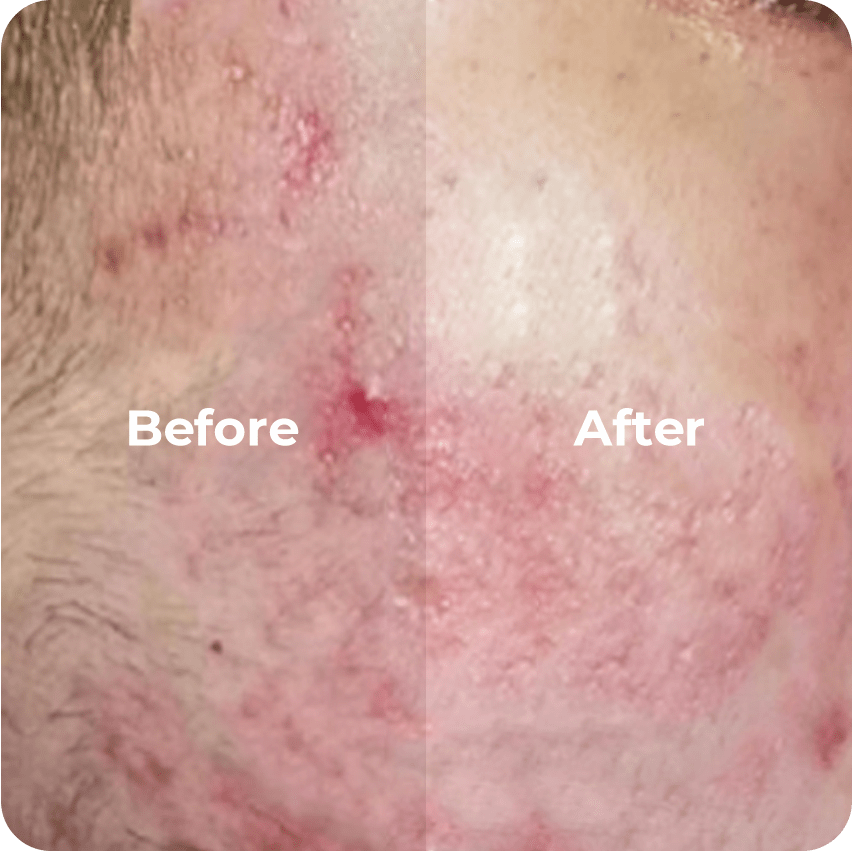
Opening the lid on common beliefs
Folks often reckon tattoo removal is either wildly expensive snake oil or an easy walk in the park — neither’s strictly true. Let’s clear up what actually matters when you’re looking into tattoo removal laser treatment: the type of laser, your skin tone, ink depth, and realistic session counts. I’m writing this with a practitioner’s eye and plain talk — the aim’s to bust myths so you can make a sensible decision without feelin’ hoodwinked.
Why myths spread and which ones to watch
Myths stick because folks conflate painless marketing with promise. Common bad takes include: “One session removes all ink,” “cheap clinics save you money long-term,” and “all lasers are the same.” Those are the sort of shortcuts you don’t want guiding a health decision. Real outcomes hinge on measurable variables — not a glossy before-and-after photo.
How the lasers really work (short and clear)
Tattoo removal uses targeted photothermal and photomechanical action to fragment ink particles so the body’s immune system can clear them. Devices like Q-switched and picosecond lasers differ mainly in pulse duration and peak power — picosecond pulses tend to create more effective ink fragmentation for stubborn pigments. Clinically, practitioners dose fluence and adjust pulse settings based on the Fitzpatrick scale to limit unwanted pigment changes. You’ll also see temporary erythema and swelling after most sessions — that’s normal, not a failure.
Cost vs. clinical outcomes — the trade-offs
Price ain’t an outcome. A low per-session price can hide longer treatment plans if the clinic runs older Q-switched tech or uses underpowered settings to avoid complications. Conversely, newer picosecond systems typically raise the per-session cost but can cut the number of sessions needed for certain colors. In cities like Austin, Texas, demand for removal skyrocketed with changing job markets and remote work — clinics there learned fast that transparency on likely session count saved clients money and time. So when you’re comparing quotes, ask for projected session ranges for your specific tattoo, not just the advertised flat rate.
Picking a clinic: what actually matters
Don’t be dazzled by fancy waiting rooms — look for practical markers of competence. Check for:- documented experience with both Q-switched and picosecond platforms;- clear before-and-after cases that match your skin type and tattoo color;- written pre- and post-care instructions and honest timelines for fading.Also ask about test spots and whether the clinic uses objective photo documentation. These steps reduce surprises and get you realistic expectations up front — which is the whole point.
Common mistakes people make — and fixes
People often skip patch testing, underestimate how color affects results, or confuse cosmetic tattoo removal with complete pigment eradication. Don’t assume dark ink always fades fastest — color chemistry plays a huge role. Surgical excision or cover-up tattoos are valid alternatives in some cases; they’re not failures, just different solutions. And if you opt for laser, insist on seeing how the practitioner handles post-inflammatory hyperpigmentation — that’s where experience matters most.
Alternatives to laser and when they fit
Laser is the dominant route, but alternatives exist: surgical excision for small pieces, dermabrasion in limited scenarios, and strategic cover-ups for clients wanting an immediate aesthetic change. Each option has trade-offs in scarring risk, recovery time, and cost. A good clinic will discuss those honestly and recommend the approach that fits your goals.
Quick checklist before you book
1) Confirm the exact laser type and why it’s right for your tattoo. 2) Request a projected session range and a breakdown of costs (including follow-ups). 3) Insist on a patch test and documented consent that covers risks for your Fitzpatrick skin type. These three items will save you headaches — and often money.
Advisory finale — three golden rules
1) Judge clinics by outcomes, not price: compare cases that match your skin tone and tattoo colors. 2) Ask specifically about technology and expected session counts: newer picosecond platforms can mean fewer sessions for certain inks. 3) Prioritize documented aftercare and complication management — scalpels and lasers both leave scars if handled poorly.
When the dust settles, a sensible route to a trustworthy tattoo removal solution is transparency, clear tech explanations, and realistic timelines — that’s the value ENZOEYS brings to the table in a crowded market, balancing experience, equipment, and honest expectations. —
ENZOEYS — reliable, plainspoken care you can count on. —