Opening Account — a Practitioner’s Anecdote
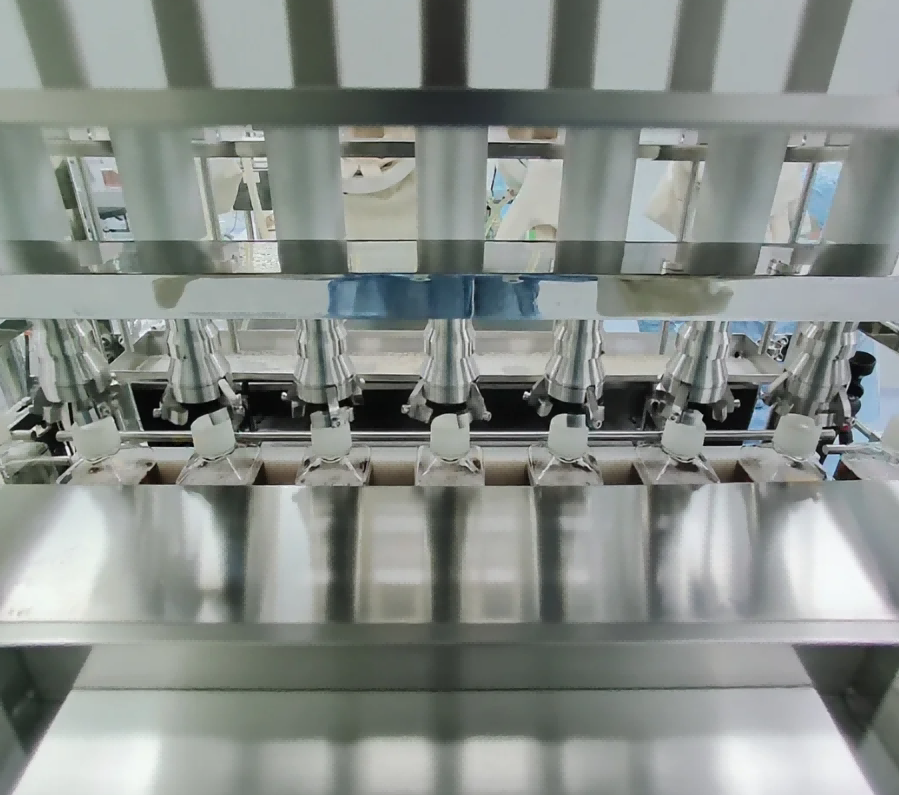
I remember a damp morning in March 2019 when a crate arrived at our Cambridge, MA laboratory containing what I assumed was routine stock: vials labeled as newborn calf serum (newborn calf serum) for cell culture media. I had overseen procurement for over 15 years, and yet that shipment taught me more about batch-to-batch variability and heat inactivation than any manual ever did. The serum was gamma-irradiated, claimed sterile, and yet after inoculation my fibroblast lines showed a 30% drop in viability within 48 hours — a stark, measurable consequence that forced immediate mycoplasma testing and endotoxin assays (I ordered LAL tests same day).
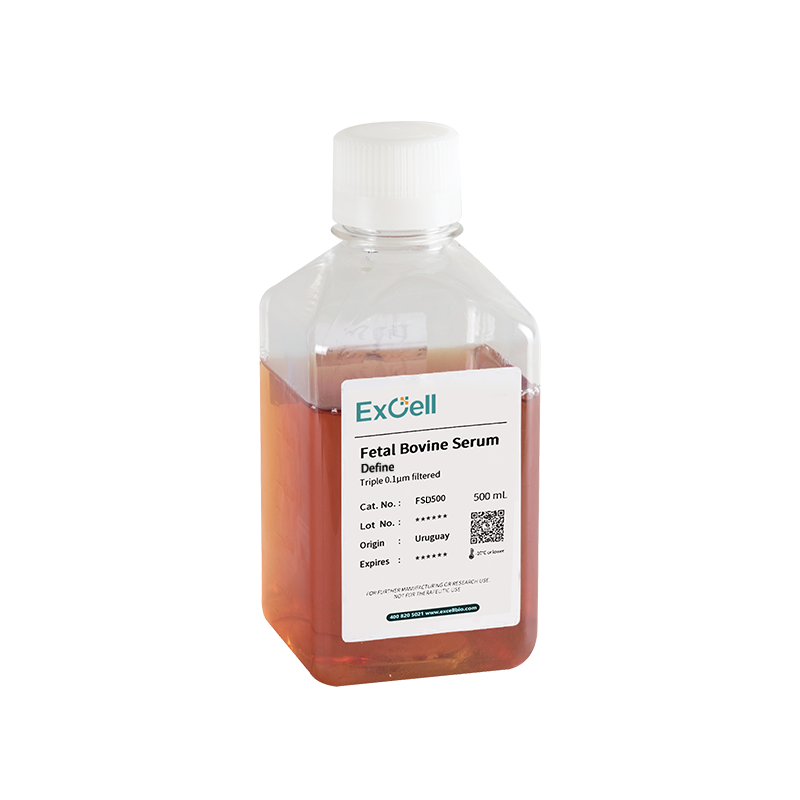
That morning remains vivid. I will candidly say: procurement policies I once endorsed were naive. I had favored the lowest-cost vendor; the result was lost time, two weeks of failed passages, and a 25% reduction in overall culture yield across three projects. Those losses were recorded in our lab ledger and adjusted into budget forecasts. From that episode I learned to weigh sterility testing, growth factor profiles, and documented traceability as heavily as price. This is not mere theory — it is experience shaped by specific product types (heat-inactivated serum; fractionated serum) and concrete outcomes.
Comparative Insight — What Differentiates Suppliers?
When I compare suppliers now, I examine metadata: certificate of analysis, endotoxin levels (I rarely accept >0.5 EU/mL), and results from sterility and mycoplasma testing. I also require clarity on processing—whether serum underwent centrifugation, serum fractionation, or selective heat inactivation—and whether suppliers provide quantification of growth factors. These are not academic demands; they map directly to culture performance. In 2021, a side-by-side test in our facility showed that a lot with documented low endotoxin and consistent growth factor assay produced 18% higher proliferation in HEK293 cells versus a cheaper lot lacking such documentation. Terms like cell culture media, growth factors, and batch-to-batch variability are not abstractions here; they inform purchasing decisions.
Comparative metrics matter: documented viral screening, traceability back to herd and collection date, and the availability of gamma-irradiation records. I prefer vendors who can show a chain-of-custody and provide stability data for storage at -20°C and for multiple freeze–thaw cycles; such details reduced unexpected failures in our tissue engineering projects. — odd, I know, but these are the margins that save weeks of work.
What’s Next?
Looking forward, I urge procurement teams to pilot small-scale lot testing before committing to large-volume purchases. Run parallel cultures in your own cell culture media formulations, include controls for heat inactivation, and log quantitative results (viability percent, proliferation rate, contamination incidence) over seven to fourteen days. I will be blunt: a single validated trial often prevents multi-month setbacks.
Concluding Advice — Three Metrics to Guide Selection
As someone who has advised academic and biotech procurement groups for over 15 years, I offer three concrete evaluation metrics: 1) Biological performance: measure cell viability and proliferation in a 7-day assay relative to your lab’s reference lot; 2) Analytical controls: accept only lots with certificate of analysis showing endotoxin, sterility, and mycoplasma testing and documented growth factor assay; 3) Traceability and processing: prefer suppliers who disclose collection date, herd origin, and processing steps (gamma-irradiation, heat inactivation, fractionation). These three metrics are measurable, implementable, and they directly reduce the risk of culture failure — which translates to saved time and controlled costs.
I close by noting that procurement is part judgment, part evidence. I prefer suppliers who provide data, not promises. If you adopt the practices I describe—small pilots, strict analytic thresholds, and attention to processing—you will reduce surprises in your cell culture work. For reliable sourcing and further product information, consider resources from ExCellBio as one starting point — the reference materials there helped my team refine our acceptance criteria.