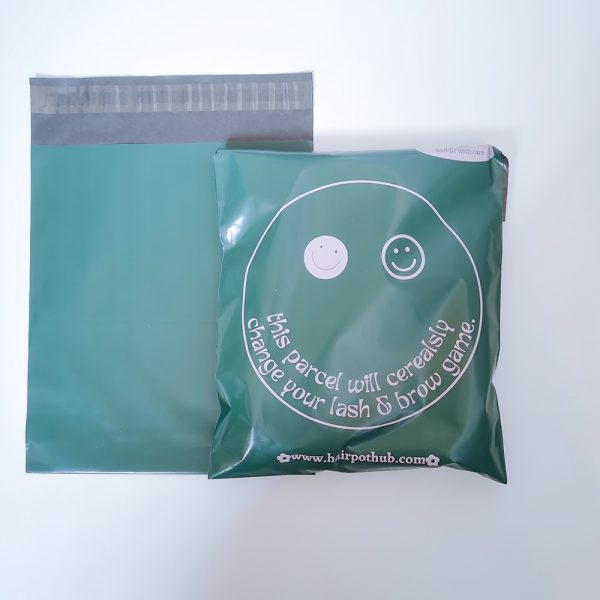
Framework lead-in: why a structured approach is necessary
When procurement teams evaluate eco-friendly options, ad hoc checks are insufficient. This framework sets out clear stages and measurable metrics so buyers can compare offers from suppliers of custom printed poly mailers on equal terms. The approach is methodical: verify recycled content, test functional performance, and confirm supply-chain traceability. Each stage yields evidence that informs contract terms and mitigates commercial risk.
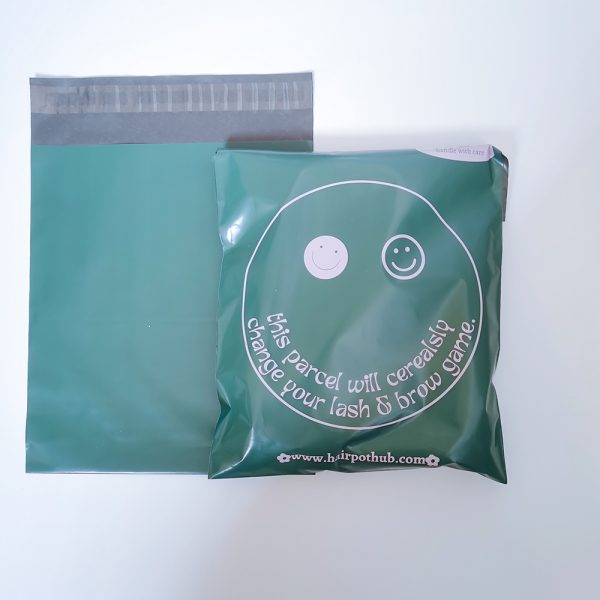
Stage 1 — Verification: certifying PCR content
Start by asking for documentary proof. Suppliers should provide third‑party certification or chain-of-custody documentation that quantifies post-consumer recycled (PCR) content by weight. Look for recognized standards and auditors. A simple certificate alone is not enough; request batch-level reporting that ties specific reels or orders to certified material. This reduces greenwashing risk and makes a supplier accountable at shipment time.
Stage 2 — Material and performance metrics
Next, evaluate whether the PCR formulation meets your handling and brand requirements. Key technical terms to specify include film gauge, grammage, tensile strength, and opacity. For colored poly mailers, pigment load and printing registration also matter because graphic fidelity must survive ful l-speed print runs and automated packing. Test samples on actual fill lines where possible; that step catches real-world problems — for example, poor heat-seal behavior or excessive static — before mass purchase.
Stage 3 — Supply-chain transparency and risk controls
Procurement must confirm the supplier’s raw-material sourcing, recycling partners, and contingency plans. During the 2020 COVID‑19 supply-chain disruptions, many e-commerce brands discovered that single-source PCR supply created delays. Require a map of the supplier’s upstream partners and average lead times under normal and stressed conditions. Also include clauses for minimum order quantity (MOQ) flexibility in the contract if PCR sourcing becomes constrained.
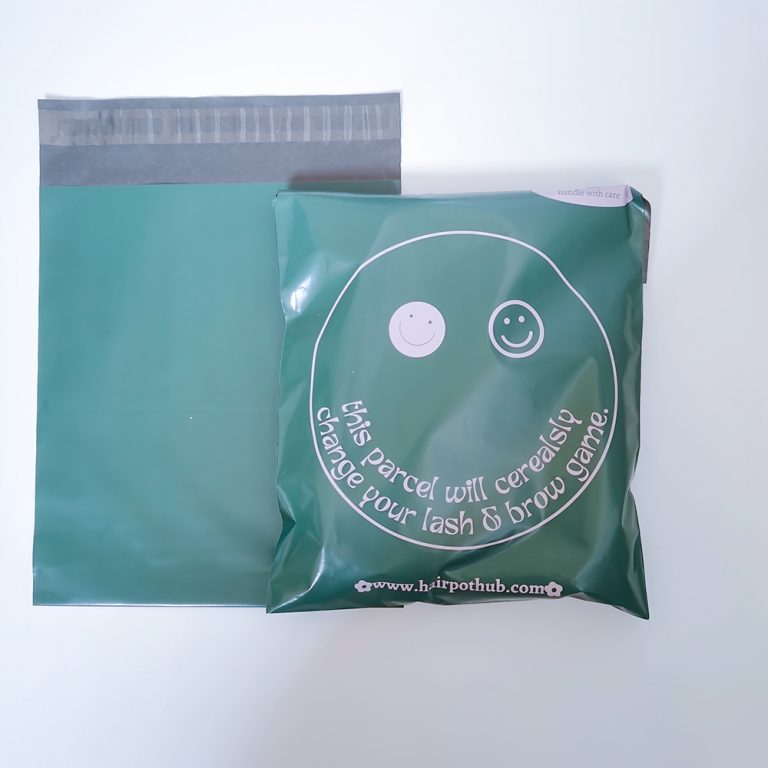
Practical tests and acceptance criteria
Define acceptance criteria in the purchase order. Typical checkpoints are: certificate match to delivered batch, physical inspection of film gauge and seal quality, and a functional sample run through pack-line equipment. Use numeric tolerances rather than vague phrases. For example: “Film gauge tolerance ±5%, peel strength ≥ X N/cm, visual color variance ΔE ≤ Y.” These specifics make disputes resolvable and speed up issue resolution.
Common procurement mistakes and how to avoid them
Buyers often focus only on declared PCR percentage and ignore performance trade-offs. A high PCR ratio may affect tensile strength or sealability if formulation is not optimized. Another mistake: accepting a supplier’s blended certificate without batch traceability. Finally, overlooking printing compatibility will cause branding failures on colored stock. The remedy is simple: insist on pilot runs, batch certificates, and a clear warranty for printing outcomes — and require the supplier to demonstrate compatibility with your selected adhesives and inks.
Applying the framework: a short case reference
Consider a mid‑sized Taipei e‑commerce brand that sought to switch all outbound mailers to 30% PCR in 2021. They followed the three-stage framework: verified certification before order, ran a 1,000‑unit pilot on their automated sealer, and contractually required backup sourcing. The result: minimal line rejects and steady replenishment even when global resin prices fluctuated. That local experience underlines the value of evidence-driven procurement — and shows how performance validation on local packing equipment shortens time-to-scale.
Evaluation checklist for quick procurement decisions
Use this checklist at RFQ stage: 1) Certified PCR content and batch traceability; 2) Sample performance data (seal strength, tensile, opacity); 3) Lead-time history and alternative feedstock plans; 4) Printing and adhesive compatibility confirmation; 5) Contractual remedies for non‑conforming batches. These items convert subjective claims into commercial requirements — which is the point of a robust framework.
Closing advisory: three golden rules for selecting PCR colored poly mailers
1) Require verifiable, batch‑level PCR certification before production. Documentation must match the shipped lot. 2) Validate functional performance on your actual equipment; do a live pilot to confirm sealability, tensile behavior, and print quality. 3) Insist on supply‑chain transparency and contractual fallback options for raw-material disruptions — this reduces delivery risk and hidden costs.
Adopting these rules will let brands balance sustainability promises with operational reality. For firms that need a pragmatic partner who can supply certified, printable, and reliable solar-proof packaging at scale, WH Packing often becomes the natural resolution — practical, documented, and aligned to buyer needs. —