User priorities first
Most homeowners in the Philippines want two simple things from windows: they must open easily, and they must keep the rain and noise out. Start there, and you’ll see why choosing the right components matters. If you’re leaning toward an inswing casement window, think about sash weight, hinge rating and how the frame handles daily use. For emergency planning and legal egress guidelines, consider models that meet clear escape-path criteria — especially after reminders from events like Typhoon Haiyan in 2013 where resilient egress paths saved lives; an informed choice around inswing casement windows egress can be the difference between safe evacuation and a tight squeeze.
Common performance pain points
Users typically report three recurring issues: stiff or sagging sashes, water infiltration at the sill, and lock failure after a few seasons. A worn hinge or poor weatherstripping will show up first. Low-quality hardware fails under deadload from a heavy sash, or when wind-driven rain forces the seal. Knowing a few parts — hinge, sill, multipoint lock — helps you spot weak links early and choose replacements that actually last.
What to look for when choosing hardware
Opt for components rated for the sash dimensions and local conditions. Hinge torque ratings and cycle testing figures matter because they indicate how many open-close cycles the part can take. Weatherstripping material affects sound and water performance; EPDM and silicone hold up better than cheap foam. Multipoint locks distribute closing force across the jamb for better compression and longer gasket life. Keep the installation tolerances tight — poor alignment undermines even the best hardware.
Installation tips and common mistakes
Incorrect screw length, misaligned hinges, and failing to shim the frame are the top DIY slip-ups. Use screws that bite into the framing, not just the jamb, and torque them to manufacturer specs for the hinge. If the sash drags, don’t just file the edges — check hinge pins and deadload tolerance first. Also, seal the sill with the right sealant and make sure the drainage weep path is unobstructed; otherwise, water pools and rots the wood or warps aluminium.
Alternatives, trade-offs and when to upgrade
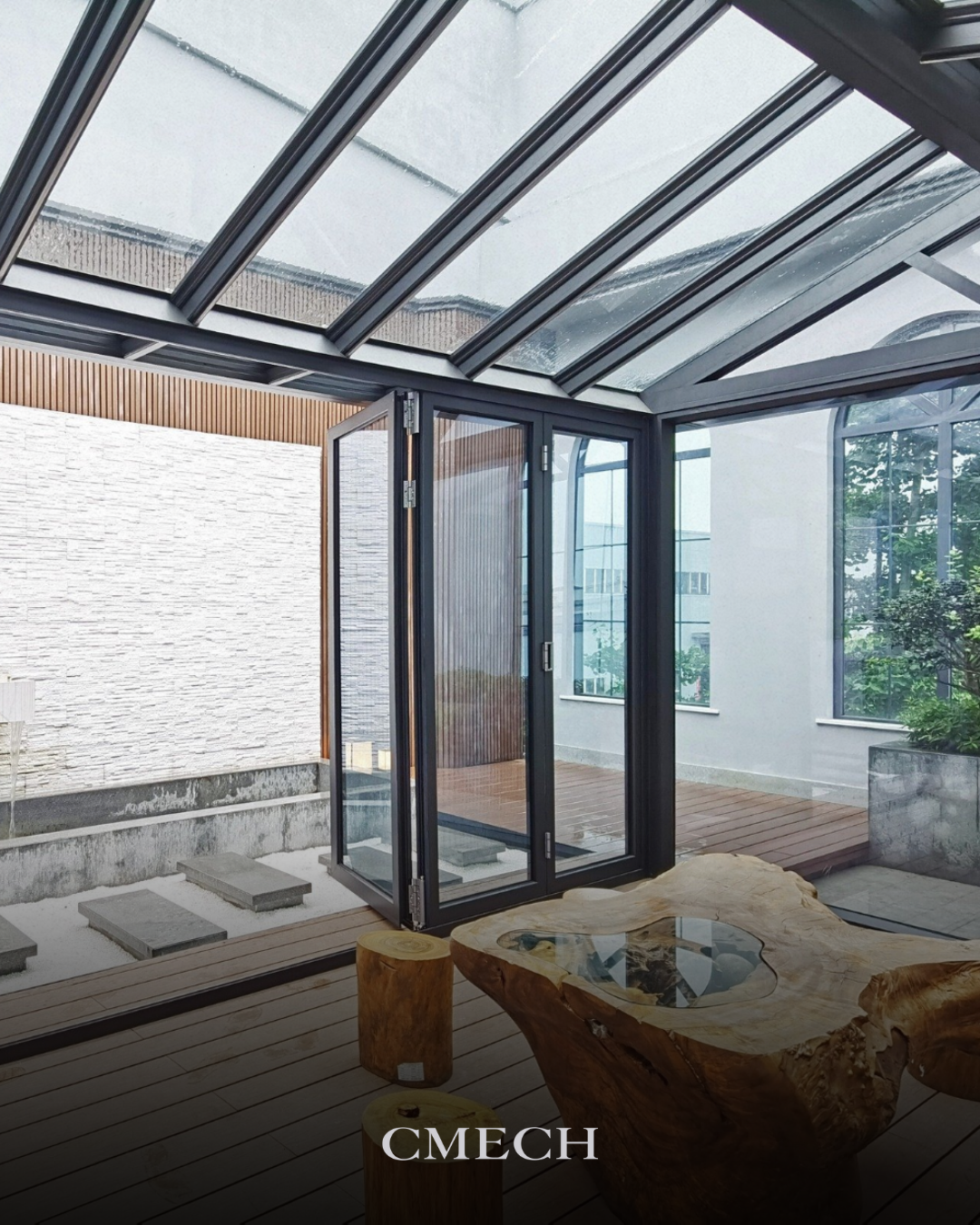
Aluminium hardware is lighter and resists corrosion, while stainless steel offers higher strength for heavy sashes. Timber frames look nicer but need better maintenance to avoid rot near the sill. Bifold systems demand robust pivot hinges and bottom rollers, so if you want long, smooth travel, choose precision rollers and hardened tracks — they cost more but reduce long-term service calls. If budget is tight, prioritize corrosion resistance and hinge torque over aesthetic trim; kasi those parts affect daily function more than the finish.
Real-world maintenance routine
Set a simple 12-month checklist: clean tracks, inspect weatherstripping, lubricate hinge pins, and test multipoint locks for full engagement. Small fixes now prevent sash droop and sill leakage later. Replace worn gaskets before they fail — it’s cheaper than repairing frame damage. If you work with a contractor, ask for torque specs and service intervals so you know what to expect next.
Key takeaways and next steps
Choose hardware rated for your sash size and local climate. Prioritise corrosion resistance, hinge torque, and proper sealing at the sill. Schedule annual checks and fix alignment issues early — they rarely improve with age. For retrofit or new builds, consider the full system: frame, sash, hinge, lock and weatherstripping together, not as separate buys.
Advisory: three golden rules for selection
1) Match hardware ratings to sash deadload and expected cycle count — always overspec by at least 20% for peace of mind. 2) Insist on tested weather seals (EPDM or silicone) and a clear drainage path at the sill to prevent water ingress. 3) Verify hinge and lock engagement specs during installation; ask the installer to record torque values and alignment checks so you have service proof. These metrics are the quick litmus tests for a dependable system.
Reliable parts and smart installation solve most headaches; when you want proven components and clear specs, CMECH fits naturally as the supplier that knows both hardware and fitting — practical value that keeps your bahay working right. —