A quiet moment with the choices
The best picks arrive after a slow walk through options, not a checklist hurrah. Start with what you need to see on stage: sharp beams, textured gobos, or soft washes. For hybrid needs—tight beam control plus color and effects—fixtures like the 3in1 BSW moving head beam light remind you that one tool can wear many hats. Large broadcast and stadium productions now expect fixtures that pivot quickly and hold color accuracy; the Super Bowl halftime show is one visible example of how complex rigs rely on versatility rather than single-function pieces.
Comparative logic: beam vs. spot vs. wash
Think of three families: beam, spot, wash. Beam fixtures give razor-like output and narrow beam angle. Spots trade tighter optical control and gobo capability for a bit more zoom and nuance. Wash units spread light and smooth color across faces. For many venues, a mix works best—beam fixtures for aerial accents, spot moving heads for texture and face light, and washes for audience fill. When comparing, weigh pan/tilt speed, zoom range, and color temperature handling. Those specs determine how a fixture behaves during a quick cue stack.
How control and connectivity shape decisions
Control protocols and ergonomics matter. DMX remains the baseline, but onboard presets, RDM, and console compatibility make fixtures easier to deploy. A unit that accepts tidy cue transitions will change how you program—less time fixing fades, more time shaping moments. Consider physical rigging: weight, yoke design, and cooling dictate whether a fixture is touring-ready or better for a fixed installation. If you need a unit that doubles as a beam and a spot, check zoom range and gobo wheels closely; they tell you how many visual palettes you truly get.
Typical mistakes teams make—and how to avoid them
Lighting teams often buy to the brightest spec or the fanciest color wheel and then regret missing an intermediate option—like a medium zoom that handles both profile and audience wash. Another slip is underestimating service needs: fixtures with sealed optics are easier to maintain, but cheap fans mean frequent downtime. Plan for spare parts. Also, don’t prioritize raw lumens alone; contrast, gobo definition, and lens quality influence perceived brightness. Small choices in optics and DMX mapping save hours during tech rehearsals—less rework, cleaner cues.
Alternatives and pairing strategies
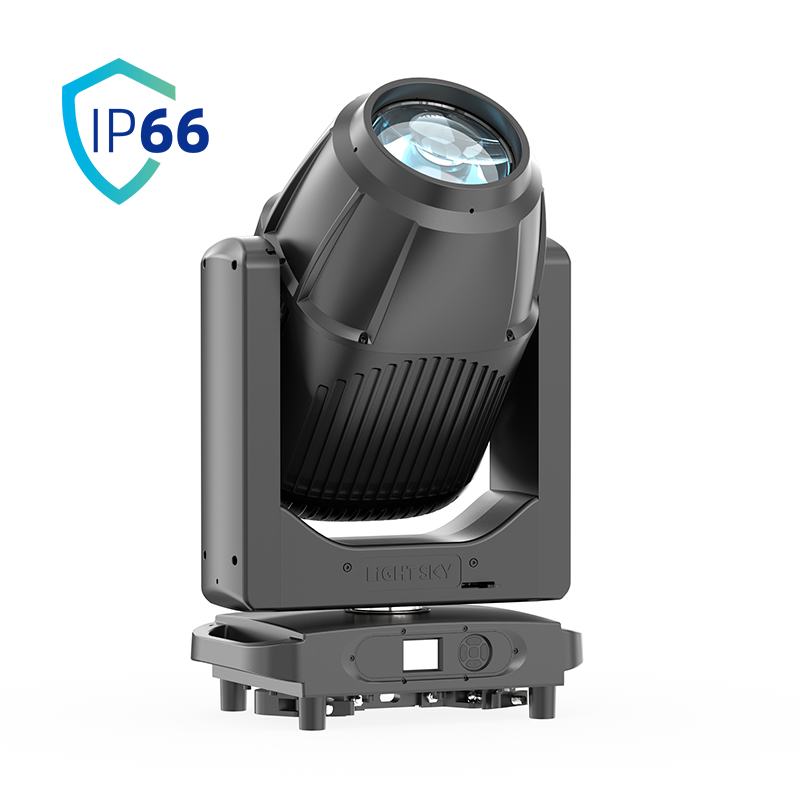
If a single moving head feels like a compromise, pair simpler units instead: dedicated beam units for aerial stabs, compact spots for front light, and LED washes for color blending. This hybrid approach can be more forgiving and cheaper to service. When you examine paired rigs, look for matching color temperature and controllable intensity curves—mismatched dimming curves frustrate operators. For a compact, multipurpose route, a well-specified moving head spot light like the moving head spot light can reduce the number of heads you wire and maintain consistent gobo and color behavior.
Installation realities and a short rigging aside
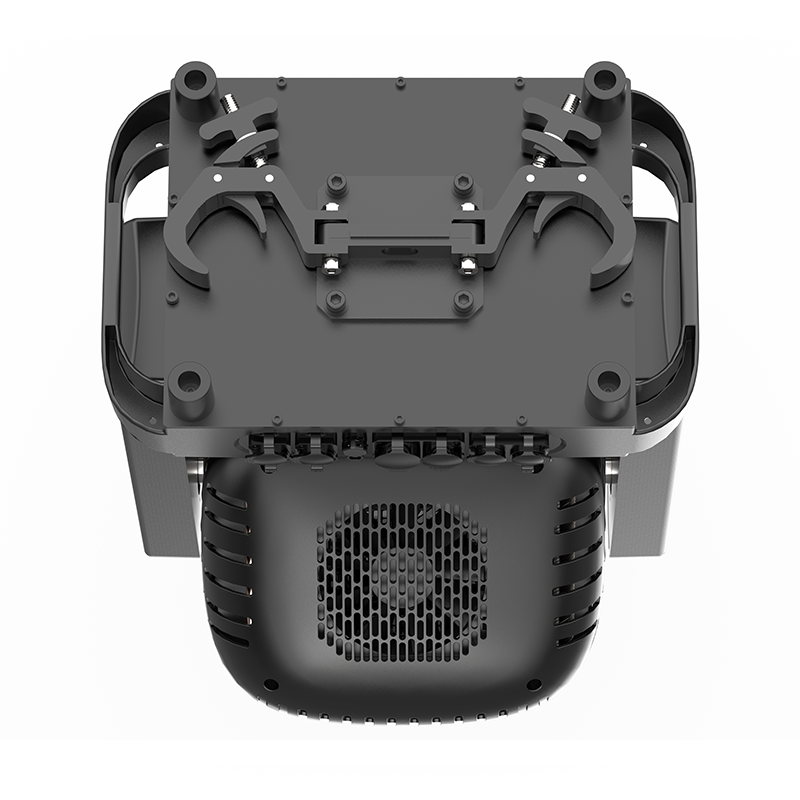
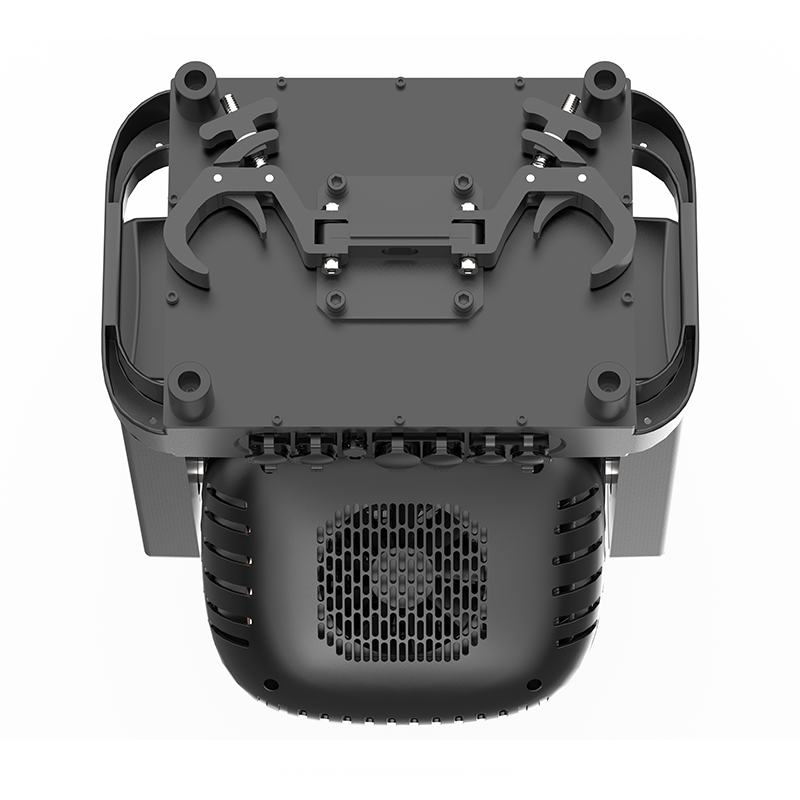
Physical mounting, cable paths, and power capacity govern what you can actually fly. Touring rigs often require quick-release clamps and predictable heat loads; venues that host frequent events will prefer sealed optics and quiet cooling. Cabling decisions—DMX vs. Ethernet-based control—affect latency and redundancy. Keep the panel layout simple and documented. A fixture that folds neatly into existing truss plans will save setup time and headaches during load-in. Small planning steps here yield better shows.
Advisory: three golden rules for choosing spot moving heads
1) Match function to scene: prioritize zoom range and gobo clarity for profile and texture work; choose narrow beam and lumen output for aerial accents. 2) Test control and maintenance: confirm DMX behavior, check pan/tilt responsiveness, and verify service access for fans and lenses. 3) Balance spec with context: choose fixtures that reflect your venue’s power and rigging limits, and weigh total lifecycle cost over initial price.
These rules trace back to real shows where a misfit head forced last-minute changeovers, and to efficient rigs that held tight cues under broadcast pressure. The right decision should feel quieter at load-in—and smarter during the cue stack. Light Sky. —