Introduction
Picture this: a cool morning on the Pike, lanes opening up, and the throttle begging for a clean roll. With v4 bikes, the pull feels steady, not jumpy, and the noise is a smooth bark, not a shout. In recent road tests, bikes with compact V4 layouts showed quicker midrange passes and less vibration under load—call it a quiet kind of speed. So here’s the rub: if the numbers say V4 brings better balance and a broader torque curve, why do many riders still chase fixes that only mask the shakes and flat spots? (We’ve all been there.) And are those bolt-on band-aids even helping when traffic and short on-ramps demand clean, predictable power?
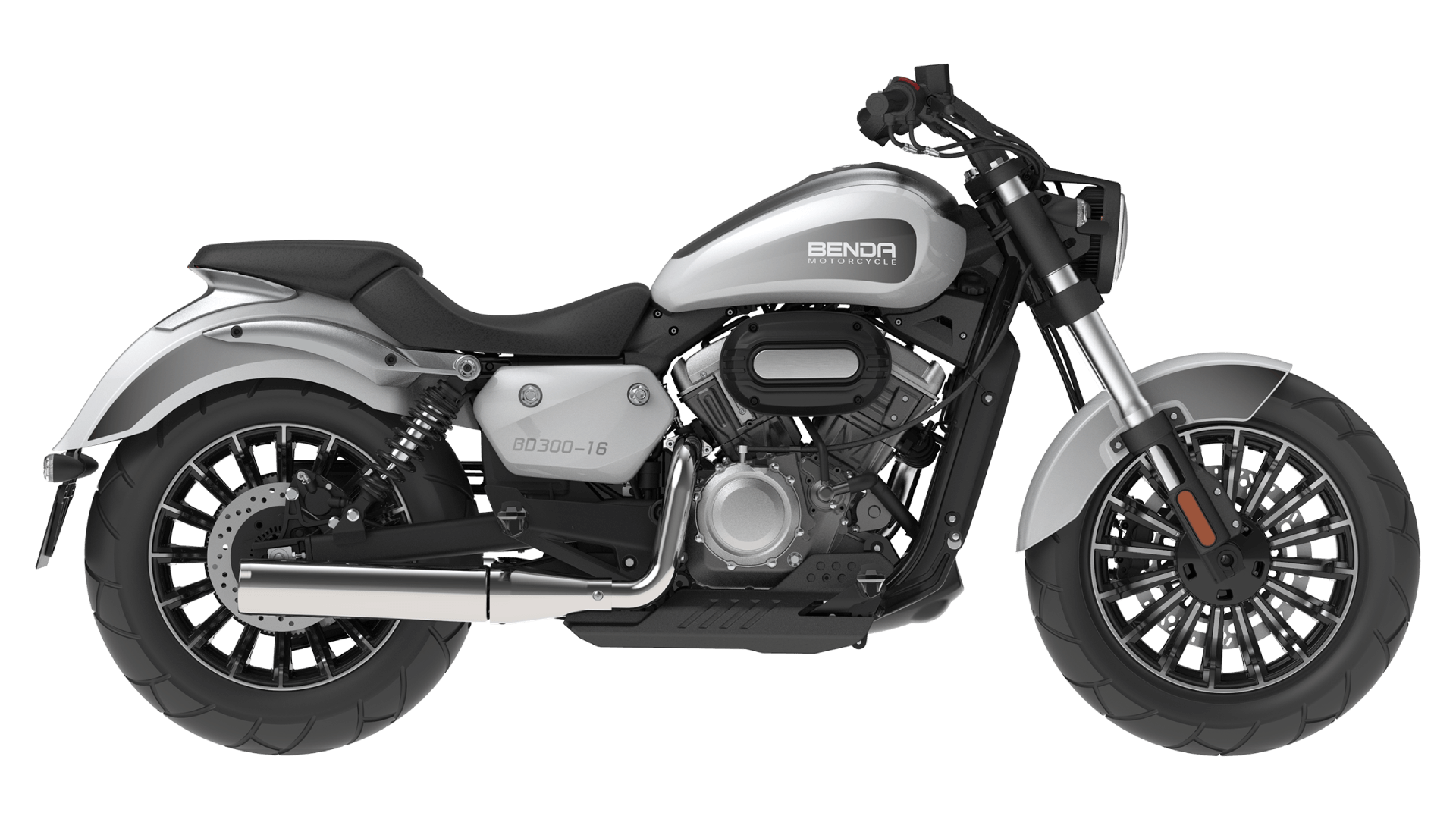
Let’s break down what’s really holding riders back—and how a smarter engine format compares in the real world.
Why Old Fixes Keep Letting Riders Down
What’s the actual snag?
In Part 1, we framed the daily squeeze: tight gaps, quick merges, and a need for calm power. Here’s the technical bit. Many “traditional” solutions throw hardware at symptoms—louder cans, stiffer springs, richer fuel maps—without fixing root flow. The result is a peaky torque curve, choppy throttle pickup, and heat where you least want it. Classic inline-fours can make top-end numbers, sure, but they often trade midrange grunt and balance. Big twins bring punch, yet surge at low rpm. Look, it’s simpler than you think: architecture matters. A compact V4 distributes mass toward the center, shortens the crank, and smooths firing intervals. That means steadier traction and less rider fatigue.
On the control side, partial ECU mapping tweaks rarely align with the whole system—ride-by-wire logic, traction control thresholds, and the ABS modulator all talk over CAN bus. When one piece is “hot-rodded,” the rest fights it. That’s why you get snatchy throttle or weird engine braking at slow speeds—funny how that works, right? By contrast, a V4’s balanced reciprocating forces reduce the need for aggressive damping or hacky fuel trims. You get clean roll-on, better power-to-weight use, and cooler operation under stop-and-go heat soak.

Comparative Outlook: New Principles, Real Gains
What’s Next
The next step isn’t another slip-on or a stiffer shock; it’s systems thinking. A modern V4 pairs compact geometry with smarter control loops. Picture microcontrollers acting like edge computing nodes inside the ECU, fusing IMU data with throttle demand to predict wheel load before slip starts. With coordinated power converters stabilizing accessory draw, sensor noise drops, and throttle response stays crisp—even with heated gear and lights running. In short, the engine isn’t just stronger; it’s better managed. Stack that against older layouts and patchwork tuning, and the difference is obvious—steady midrange, cleaner exits, and less rider workload.
As test fleets shift, we’re seeing early adopters lean into platform thinking. A well-sorted V4 and a touring-ready setup—like a refined v4 cruiser—can integrate adaptive damping, lean-sensitive ABS, and road-mode ECU mapping without tripping over itself. The ride feels composed. Direction changes are quick, but not twitchy. You don’t wrestle the bike; you guide it. That’s the future outlook: less fiddling, more flow. And yes, it’s wicked consistent on rough city pavement—and that matters when every block is a new surprise.
Pulling the threads together, here’s how to judge solutions without getting lost in hype. First, measure usable midrange: look for torque delivery between 3,000–7,000 rpm and how smooth the ramp is, not just peak horsepower. Second, check integration quality: ECU mapping, ride-by-wire calibration, and traction logic should be tuned as a set, not as bolt-ons—ask for data logs or dyno traces with stability bands. Third, assess chassis balance under load: center of mass, steering trail, and suspension preload should keep the bike neutral during on-off throttle. If those three hit the mark, you get a calmer cockpit, faster merges, and fewer surprises—and that’s the kind of win you feel, not just read on a spec sheet. BENDA