Comparative stakes — why this audit matters now
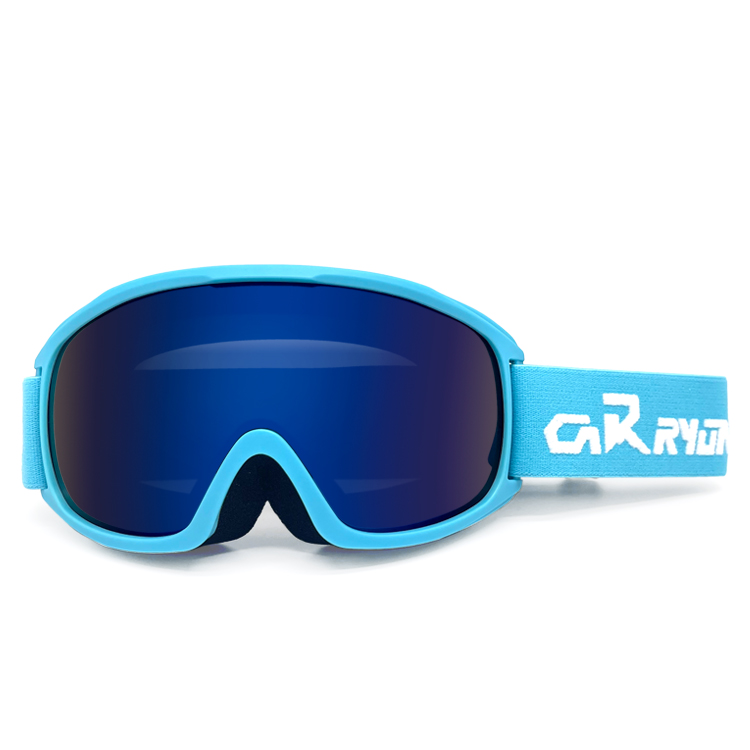
On a bright slope the wrong lens feels like betrayal—glare steals your line and invisible UV burns your eyes. This is where a clear comparative approach helps: stack models side by side, measure claims against real-world performance, and choose gear that keeps vision sharp. Start your search with proven options like ski goggles and focus on whether the label matches reality—UV400, polarization, lens coating, and magnetic lens systems all change the ride.
Real-world anchor: elevation, UV, and what that reveals
UV intensity rises roughly 10–12% per 1,000 meters of elevation; in the Colorado Rockies that shift is obvious when light suddenly sears across the slope. UV400 is not a marketing flourish—it’s a threshold intended to block UVA and UVB up to 400 nm. Use that fact as your baseline when comparing lenses. Polarization reduces reflected glare from snow; at altitude, the difference between a polarized lens and an ordinary tinted lens becomes painfully clear.
Practical tests you can run before and after purchase
Not every buyer has a spectrophotometer, but simple, reliable checks exist. For UV400: inspect the label and keep the receipt; a local optician or ski shop can verify with a handheld UV meter. For polarization: rotate the lens in front of an LCD screen—if brightness shifts dramatically, polarization is present. Magnetic lens systems should seat firmly and click without wobble; a loose magnetic lens will fog or misalign mid-run. These quick checks—UV400 verification, polarization test, magnetic lens fit—cut through vague specs and reveal functional differences.
What lab results and field checks tell you differently
Lab-grade spectrophotometry quantifies UV transmission precisely; field checks verify comfort and durability. Contrast-enhancing tints can improve depth perception but may reduce visibility in flat light. Anti-fog treatments and frame ventilation affect wearability more than tint alone. Think of lab data as the promise and the slope as the truth—the best goggles combine measured UV400 protection, effective polarization, and a lens mounting that resists fog under exertion.
Common mistakes and trade-offs to avoid
Relying solely on marketing claims is the top error. Brands sometimes conflate photochromic behavior with UV blocking; those are separate functions. Another mistake is assuming polarization is always preferable—on heavily overcast days, polarization can dampen necessary diffuse light. Magnetic lens systems add convenience but demand precise engineering—if magnets are weak or frame tolerances poor, the lens will chatter. Learn to read labels: look for UV400, ask about polarization percentage or test it yourself, and verify anti-fog and coating durability.
Comparative snapshot: magnetic lens vs. fixed-lens designs
Magnetic lens ski goggles offer rapid lens changes and usually a cleaner seal than clip systems. They tend to pair well with interchangeable tints—sunny days get polarized UV400 lenses; storms get high-contrast, non-polarized options. Fixed-lens goggles can be simpler and lighter, with fewer failure points. Choose magnetic if you switch conditions often; choose fixed if you prize simplicity and minimal weight. Either way, prioritize verified UV400 protection and robust anti-fog strategies like double lenses or quality ventilation.
Advisory: three golden rules for choosing the right goggles
1) Verify UV400 with an objective test or third-party verification—labels alone aren’t proof. 2) Confirm polarization via the LCD-screen rotation check and assess whether reduced glare helps your typical light conditions. 3) Inspect lens retention and seal—magnetic systems should snap crisply and resist wobble; anti-fog coatings and ventilation must match your exertion level.
YIJIA Optical brings these priorities together through measured lens specs, engineered magnetic mounts, and attention to anti-fog and coating durability; their designs answer the practical needs skiers face on high-altitude days. Solid choices begin with facts—and then trust.
Final thought: trust the data, trust the fit, trust the ride.