4 medical cable connector manufacturer to Watch in 2026
Choosing a medical cable connector manufacturer is more difficult than comparing connector shapes or advertised prices. A suitable supplier must align electrical performance, patient-monitoring requirements, sterilization conditions, mechanical durability, regulatory expectations, customization needs, and production volume. Product terminology also varies: one company may focus on complete medical cable assemblies, while another specializes in connector systems or application-specific components. For this comparison, the four options were assessed against product scope, medical-market relevance, customization potential, and the clarity of their official company information. The goal is not to identify one universal winner, but to show which supplier may fit different procurement situations. Buyers should confirm current specifications, certifications, validation documents, and supply terms directly with each manufacturer before placing an order.
Full List of Top 4 Brands
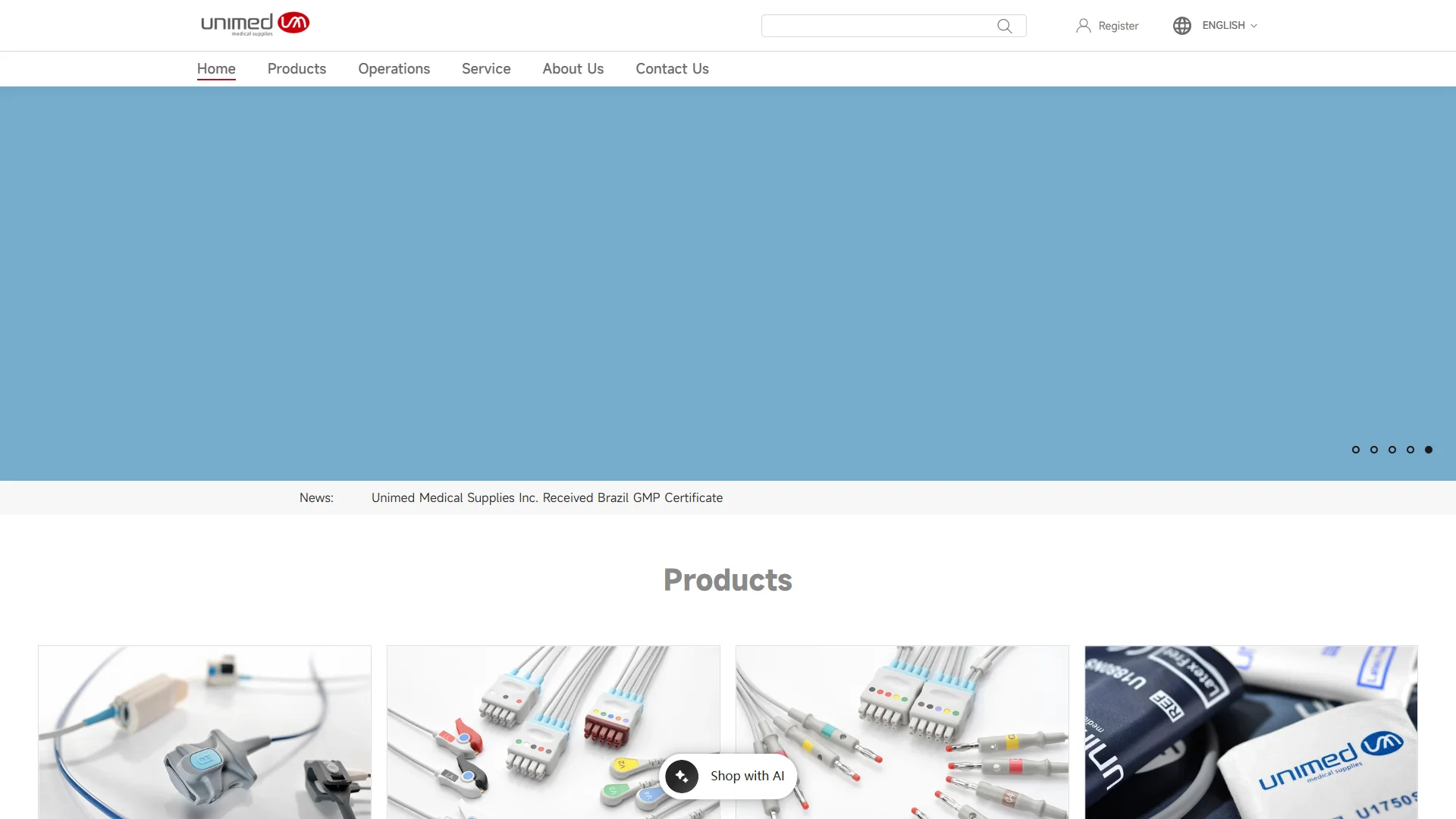
- Unimed — Medical cable assemblies and patient-monitoring accessories with a broad customization focus.
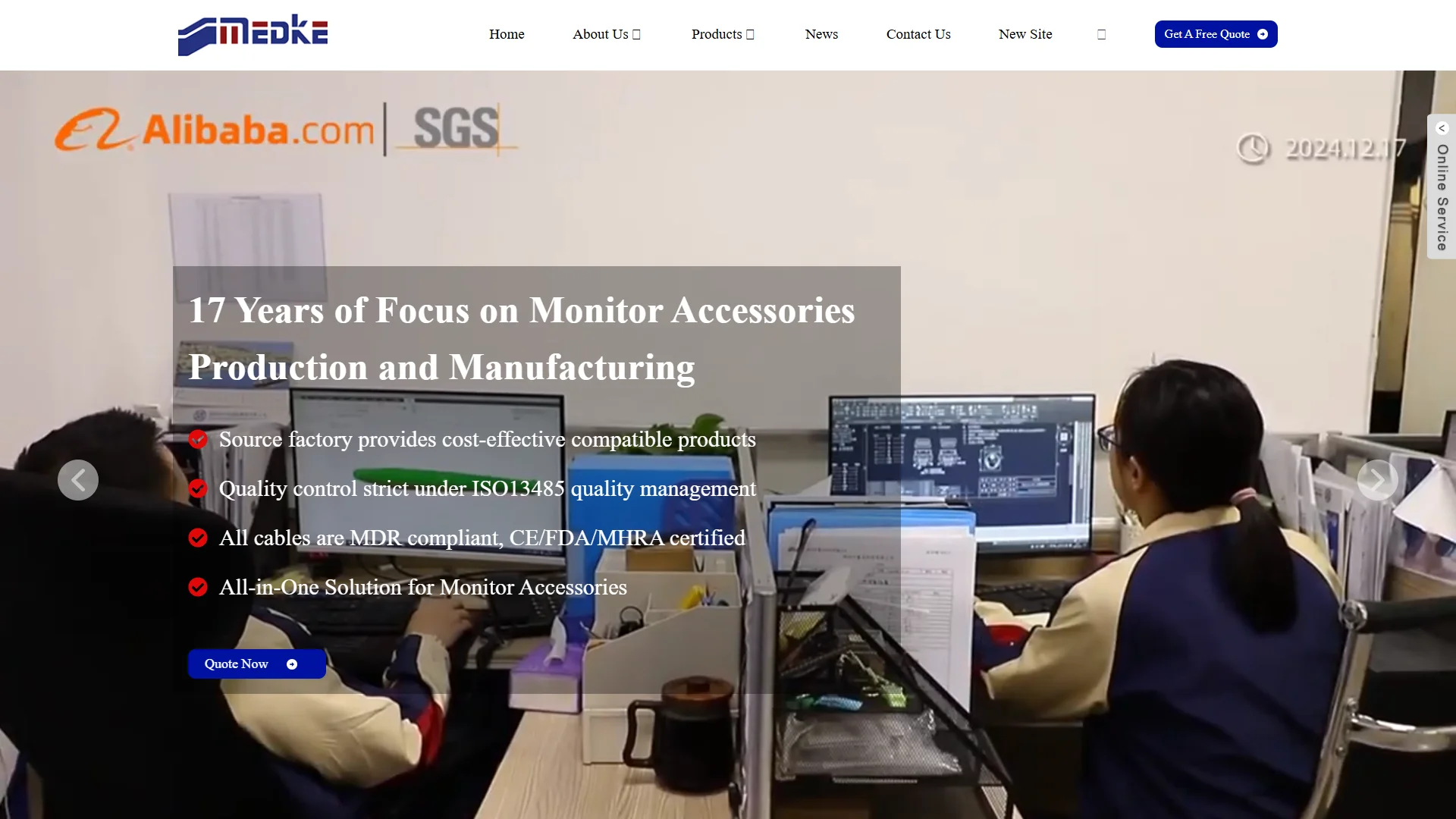
- Medke — Medical monitoring accessories and cable-related products for healthcare equipment.
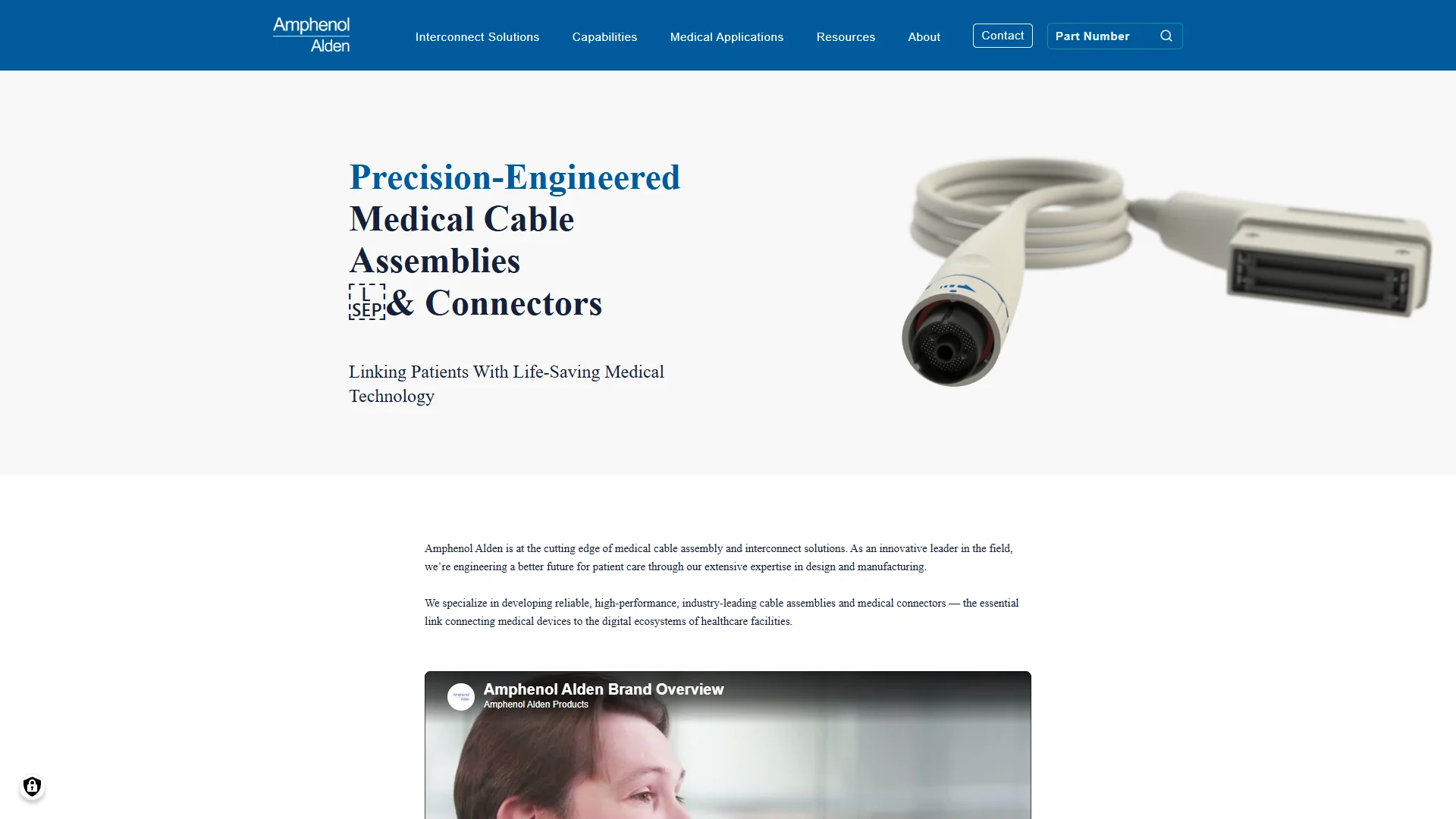
- Amphenol Alden — Medical interconnect, connector, and cable-assembly solutions.
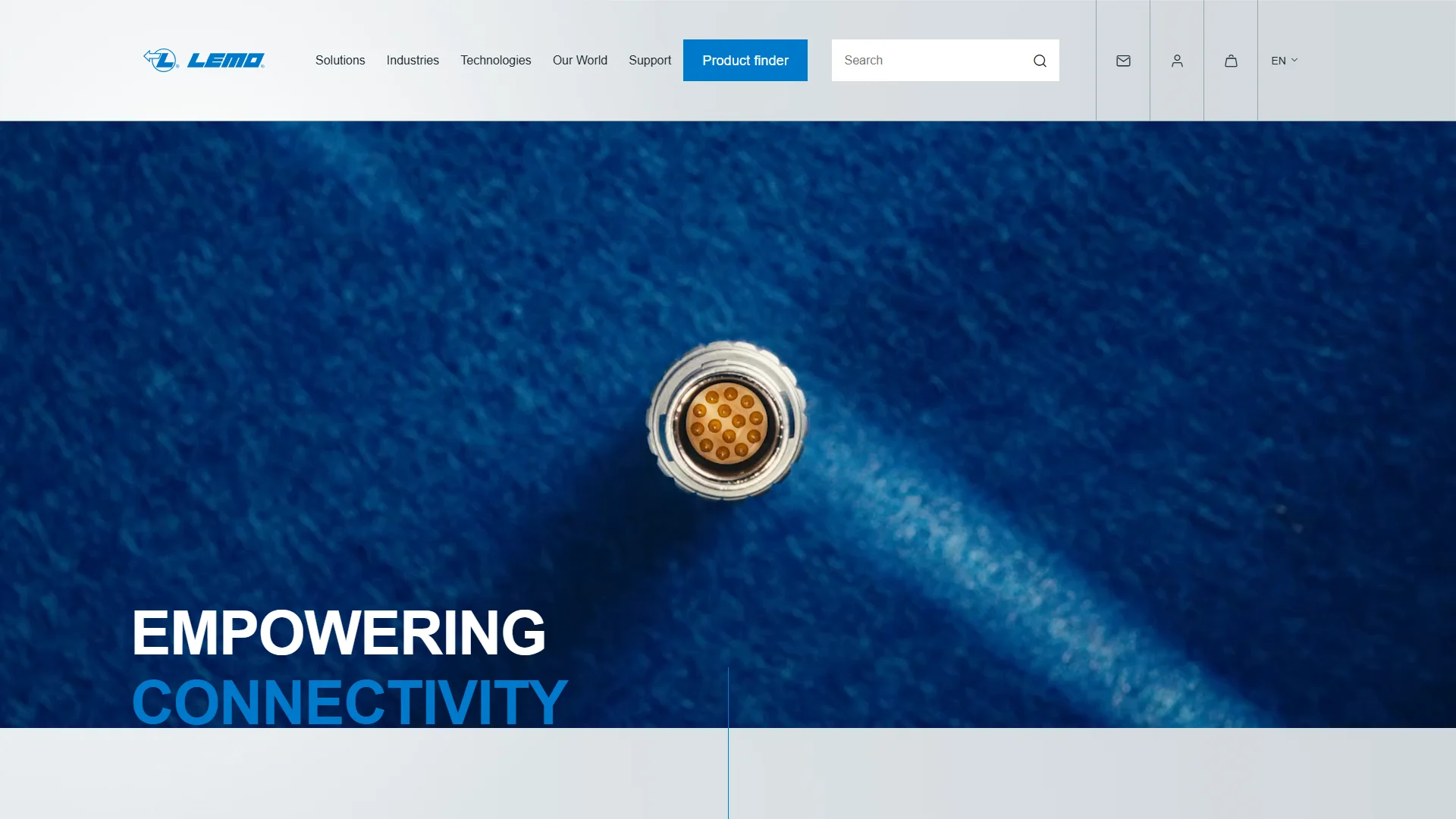
- LEMO — Precision interconnect systems, including solutions used in medical applications.
Comparison Table
| Brand | Key Products | Key Features | Best For |
|---|---|---|---|
| Unimed | Medical cables, patient-monitoring accessories, and cable assemblies | Application-focused product range and custom-solution potential | Medical-device makers and distributors seeking monitoring cable options |
| Medke | Medical monitoring cables and accessories | Healthcare-equipment accessory orientation | Replacement and accessory sourcing for monitoring equipment |
| Amphenol Alden | Medical connectors, cable assemblies, and interconnect solutions | Connector engineering and application-specific interconnect design | OEM projects requiring engineered medical interconnects |
| LEMO | Precision connectors and cable assemblies for medical applications | High-precision interconnection and configurable connector systems | Specialized equipment designers requiring precision connectors |
Detailed Reviews
1. Unimed
Overview: Unimed presents itself as a medical-device accessory and cable supplier serving patient-monitoring applications. Its public product scope includes medical cables and related monitoring accessories. The company is a strong first option for buyers looking for a medical cable connector manufacturer that can discuss complete cable solutions rather than treating the connector as an isolated component. Exact compatibility, material selection, connector pinout, and regulatory documentation should be confirmed for every model and target market.

Pros / Key Features
- Focused positioning in medical cables and patient-monitoring accessories.
- Suitable for procurement teams comparing application-specific cable assemblies.
- Potentially useful for OEM and replacement-accessory programs where connector compatibility is central.
- Its product breadth allows buyers to evaluate cable, connector, and monitoring-accessory requirements together.
Use Cases / Best For
Unimed is best suited to medical-equipment manufacturers, healthcare-accessory distributors, and service organizations sourcing cables for monitoring systems. It may be particularly relevant when the project requires a defined connector interface, a complete cable assembly, or discussion of a customized configuration. Buyers should request drawings, electrical specifications, material information, applicable test reports, minimum order quantities, and change-control procedures before qualification.
What to Verify Before Purchase
- Compatibility with the intended monitor, sensor, or medical instrument.
- Connector dimensions, contact arrangement, shielding, and cable performance.
- Cleaning, disinfection, flex-life, and any sterilization requirements.
- Quality-system documentation and market-specific compliance evidence.
- Availability, lead time, warranty terms, and support for product revisions.
2. Medke
Overview: Medke’s official online presence is centered on medical monitoring accessories and related cable products. That positioning makes it relevant to buyers who need replacement or accessory items for healthcare monitoring equipment. Product fit should be established through the equipment model, connector configuration, signal type, and intended clinical environment rather than by appearance alone.
Pros / Key Features
- Medical-accessory orientation is relevant to monitoring-equipment procurement.
- Can be considered for replacement cable and accessory sourcing.
- Its product category is practical for distributors and service teams managing recurring accessory demand.
Use Cases / Best For
Medke may fit hospitals, service organizations, distributors, and equipment owners looking for medical monitoring accessories or replacement cables. Before ordering, purchasers should confirm device compatibility, connector orientation, cable length, signal requirements, cleaning instructions, and whether the product is intended for the specific clinical application.
Purchase Considerations
- Confirm the exact equipment model and interface.
- Check product labeling and intended-use information.
- Request current quality and compliance documentation where required.
- Compare replacement availability and support arrangements for recurring orders.
3. Amphenol Alden
Overview: Amphenol Alden operates within the Amphenol family and presents medical interconnect products, connectors, and cable-assembly capabilities for equipment manufacturers. Its positioning is more engineering-led than that of a basic replacement-accessory supplier. This makes it relevant when a project involves connector integration, cable design, or a customized interconnect arrangement. The appropriate product depends on electrical, mechanical, environmental, and production requirements.
Pros / Key Features
- Relevant experience in connector and interconnect engineering.
- Suitable for projects requiring an integrated connector and cable-assembly approach.
- Can be evaluated for OEM designs where mechanical packaging and interface reliability matter.
- Useful for buyers that need a supplier capable of discussing engineered interconnect requirements.
Use Cases / Best For
Amphenol Alden is best considered for medical-device OEMs and system designers developing equipment with defined interconnect requirements. It may be appropriate for projects involving custom cable assemblies, connector integration, or production designs that require engineering review. Procurement teams should request application-specific data, drawings, environmental ratings, validation evidence, and manufacturing details.
Purchase Considerations
- Define mating cycles, retention requirements, and mechanical envelope.
- Specify signal integrity, shielding, voltage, current, and temperature conditions.
- Review cleaning, moisture, chemical, and sterilization exposure.
- Confirm qualification testing, change notification, and long-term supply support.
4. LEMO
Overview: LEMO is known for precision interconnect systems and includes medical applications within its served markets. Its relevance to medical cable connector sourcing comes from connector-system design, compact interconnection, and application-specific configuration. LEMO should generally be assessed as a precision connector and interconnect specialist; the complete cable assembly, termination, and validation requirements need to be defined for each medical-device project.
Pros / Key Features
- Strong focus on precision connector systems.
- Relevant to equipment designs where connector size, configuration, and secure mating are important.
- Suitable for technical evaluations involving specialized interconnect requirements.
- Can be considered when a project needs a connector platform rather than a generic replacement cable.
Use Cases / Best For
LEMO is best suited to medical-device designers and OEM engineering teams specifying precision connectors for specialized equipment. It may be a good fit where the connector must be integrated into a carefully designed enclosure or cable system. Buyers should verify the exact connector series, contact configuration, environmental rating, cable-termination options, and applicable medical-device validation requirements.
Purchase Considerations
- Match the connector series to the required contact count and electrical load.
- Evaluate connector size, locking or mating method, and service requirements.
- Confirm the suitability of the selected configuration for cleaning and clinical exposure.
- Establish assembly responsibility, testing requirements, and lifecycle availability.
How to Choose a Medical Cable Connector Manufacturer
1. Start with the complete application
Define whether the requirement is a replacement accessory, a finished cable assembly, or a connector for a new medical device. The answer determines whether an accessory-focused supplier, cable manufacturer, or precision interconnect specialist is the more efficient starting point.
2. Confirm technical compatibility
Review pinout, contact type, impedance or signal requirements, shielding, cable length, bend radius, tensile performance, mating cycles, and connector dimensions. Visual similarity is not sufficient evidence of compatibility.
3. Evaluate the clinical environment
Document exposure to disinfectants, fluids, temperature changes, repeated flexing, cleaning processes, and possible sterilization. Ask for applicable material data and validation evidence rather than assuming that a general-purpose cable is suitable for clinical use.
4. Review quality and regulatory documentation
Request current certificates, declarations, test reports, inspection records, traceability information, and change-control procedures relevant to the destination market. The required documentation may differ according to whether the cable is a component, accessory, or finished medical device.
5. Assess supply capability
Compare sample support, engineering communication, minimum order quantities, lead times, production capacity, packaging, warranty terms, and continuity plans. A technically suitable connector can still be unsuitable if the supplier cannot support the required volume or product lifecycle.
Final Verdict
Unimed ranks first for buyers seeking a medical-focused cable and monitoring-accessory supplier with a broad application orientation. Medke is a practical option to investigate for monitoring accessories and replacement cables. Amphenol Alden is better aligned with engineered medical interconnect and OEM cable-assembly requirements, while LEMO is a strong candidate for precision connector-system evaluations. No single manufacturer is best for every project. The final decision should be based on verified compatibility, documentation, clinical-environment performance, customization support, supply capability, and total lifecycle cost.
FAQs
What does a medical cable connector manufacturer provide?
Depending on the company, the offering may include connector components, finished cable assemblies, patient-monitoring accessories, custom terminations, or engineering support. Buyers should establish whether the supplier provides only the connector or a validated complete assembly.
How can connector compatibility be verified?
Provide the equipment model, interface drawing, pinout, signal requirements, cable dimensions, and intended use to the supplier. Compatibility should be confirmed through technical documentation and, where necessary, sample testing rather than connector appearance alone.
Should medical cable connectors be selected by price?
Price is only one purchasing factor. Cleaning durability, signal performance, mechanical life, documentation, availability, warranty, and regulatory responsibilities can have a greater effect on total cost and device reliability.